Reflective Research

Individual Project, Reflection on Previous Units, Reflective Research, Test shoots and Final submission

Test Shoots and Final Submissions (Styling Identity)

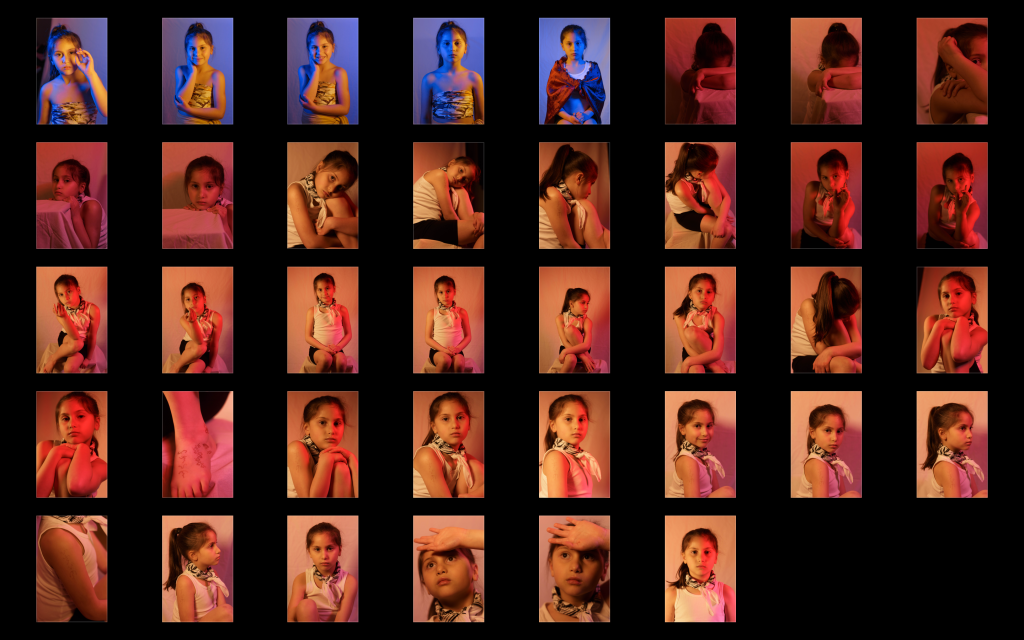
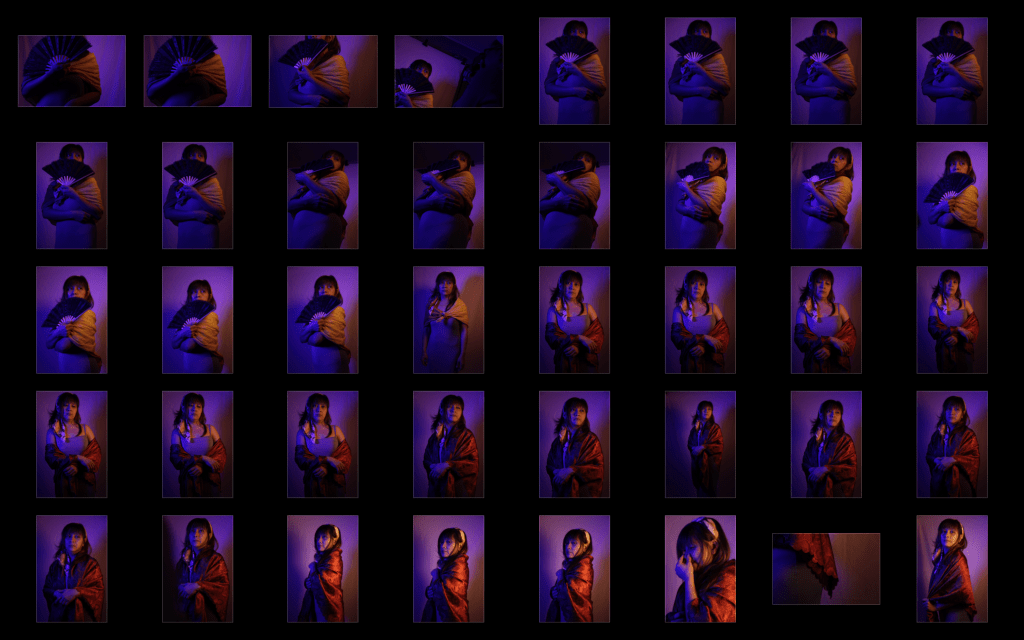
For the Styling Identity, I initially didn’t have to do a test shoot, however, because I disliked the result of my first shoot due to the lighting and colour I ended up using this as a test shoot to learn from.
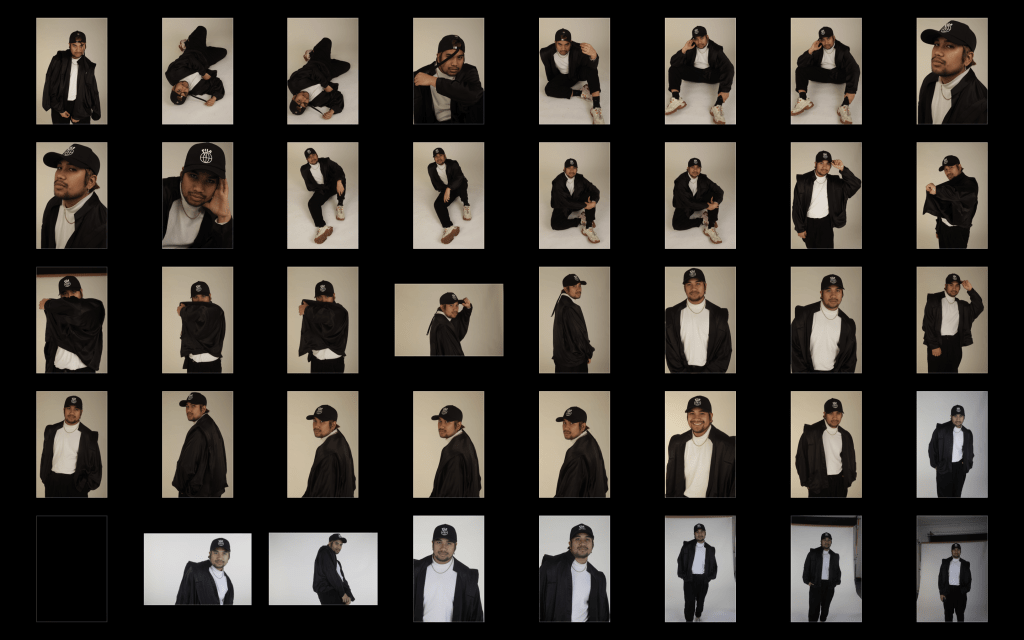
Test Shoot

The model was quite confident in posing so it was a shame that the lighting setup did not coordinate. I felt flustered due to this but since he is a friend of mine he was quite understanding and recommended doing another shoot at a studio with better lighting.
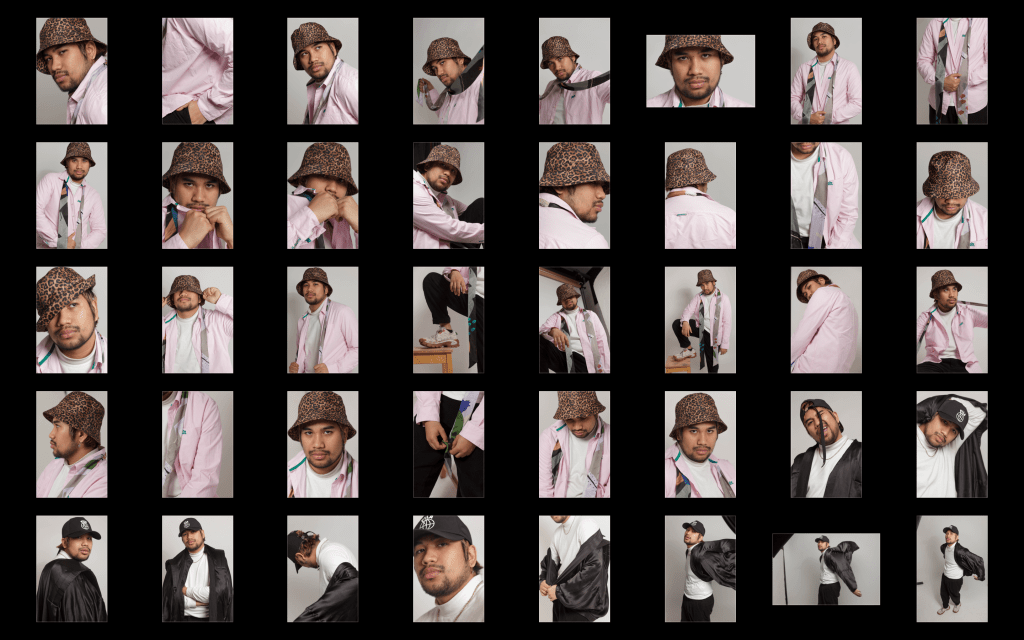
Final Shoot

My final shoot couldn’t have been better! The lighting was everything I needed for my intended setup and compared to the previous studio, there was more space to move around and so I experimented with full body and close up shot to give me a variety. Although this studio was further it was worth the drive and since my model was familiar with the space he is even more confident.
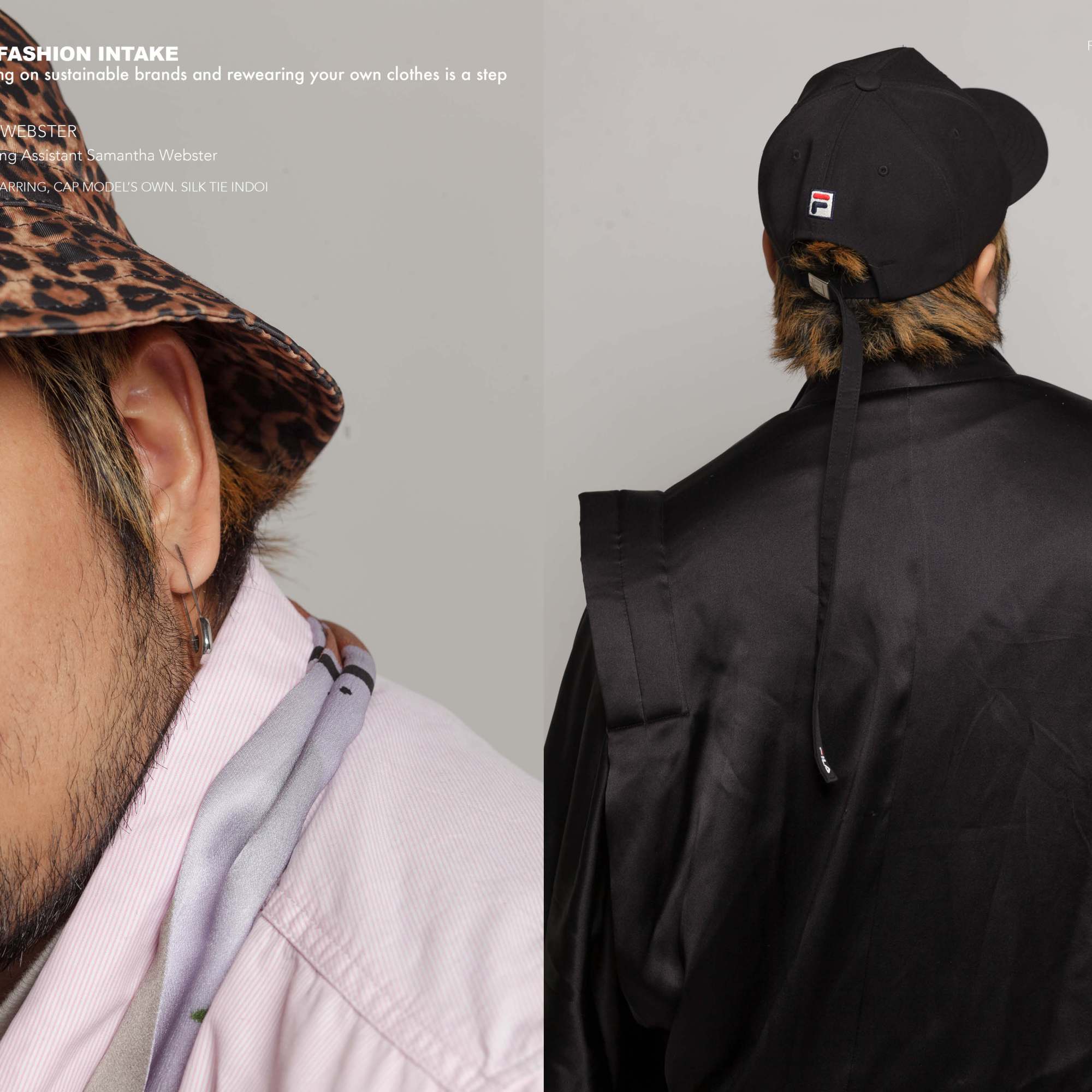
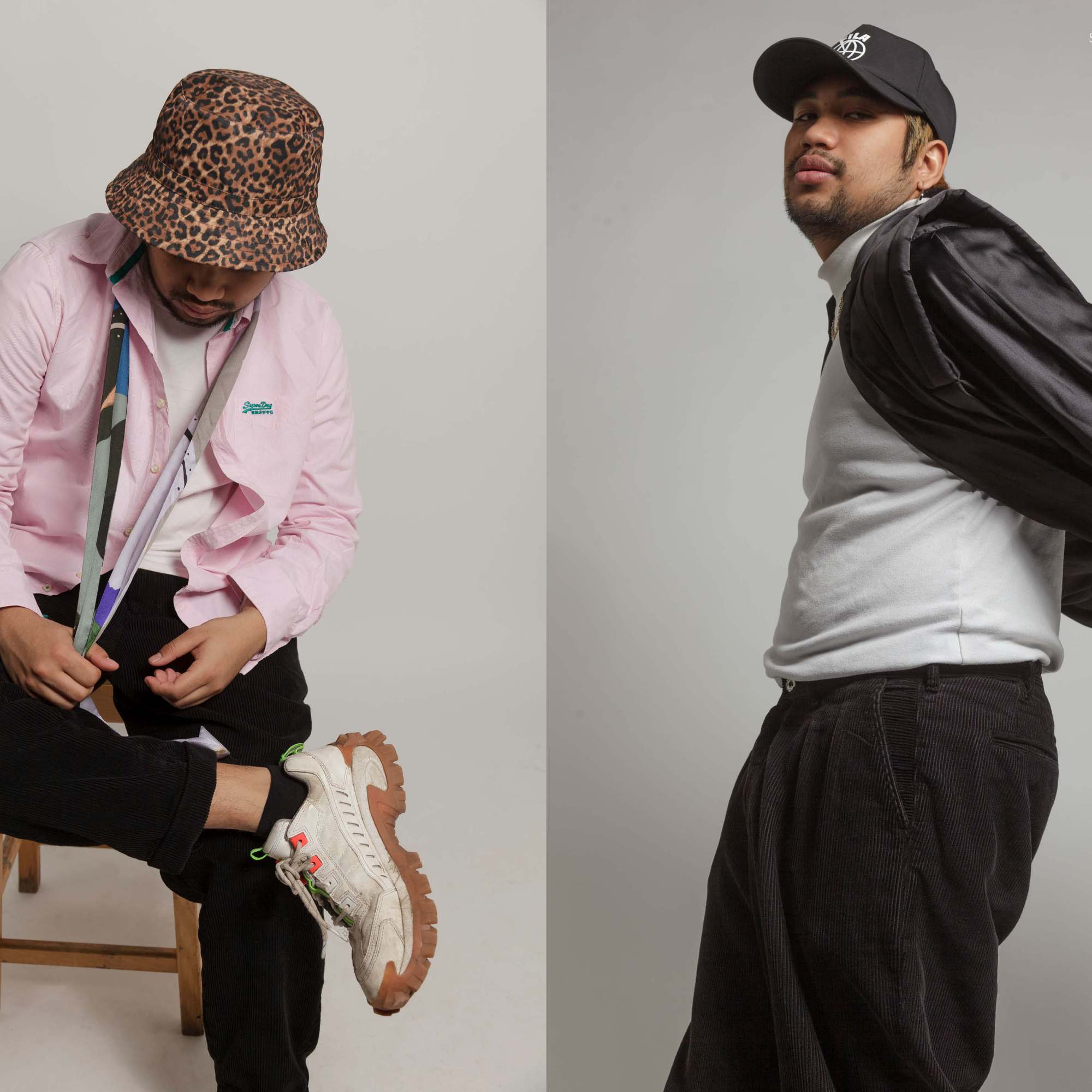
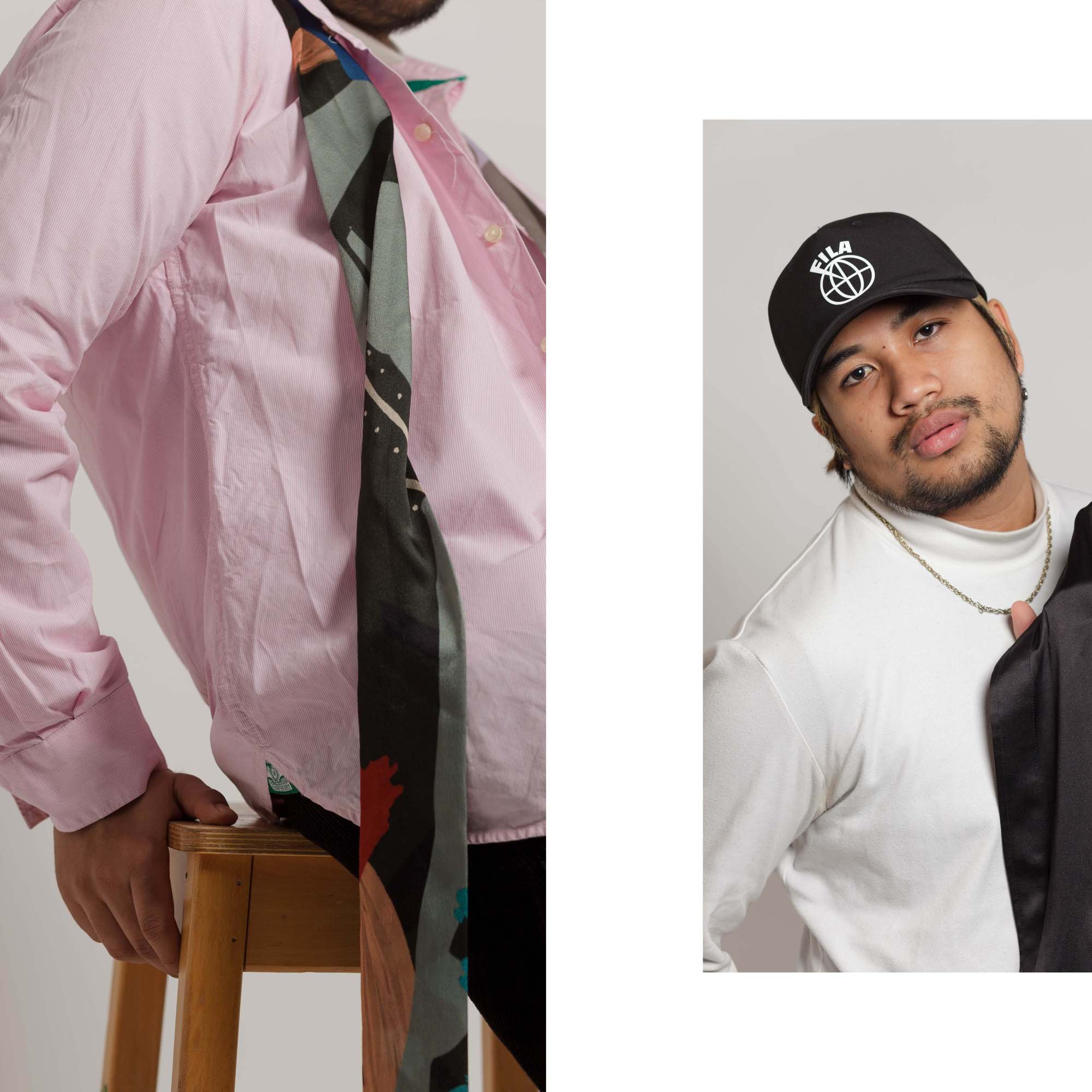
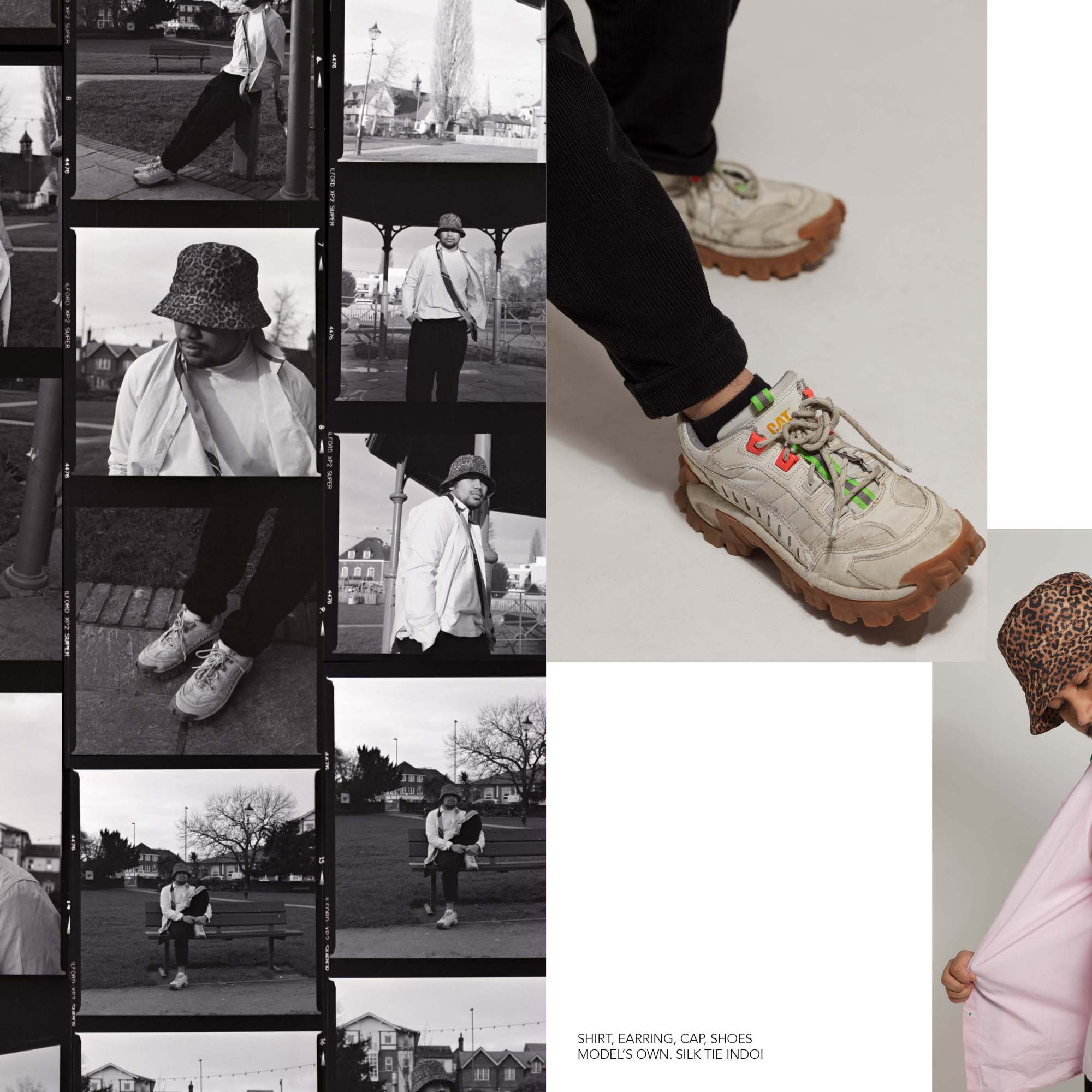
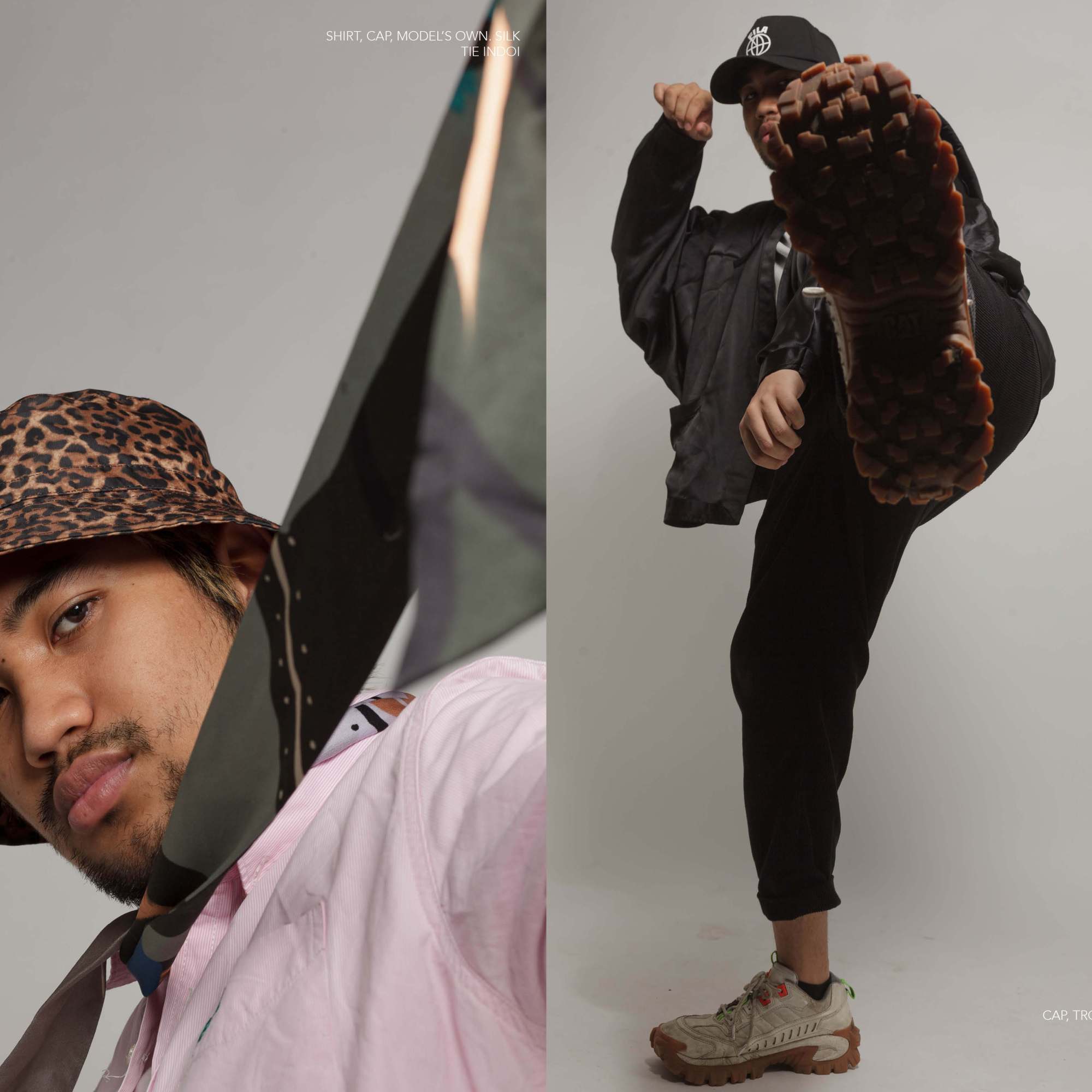
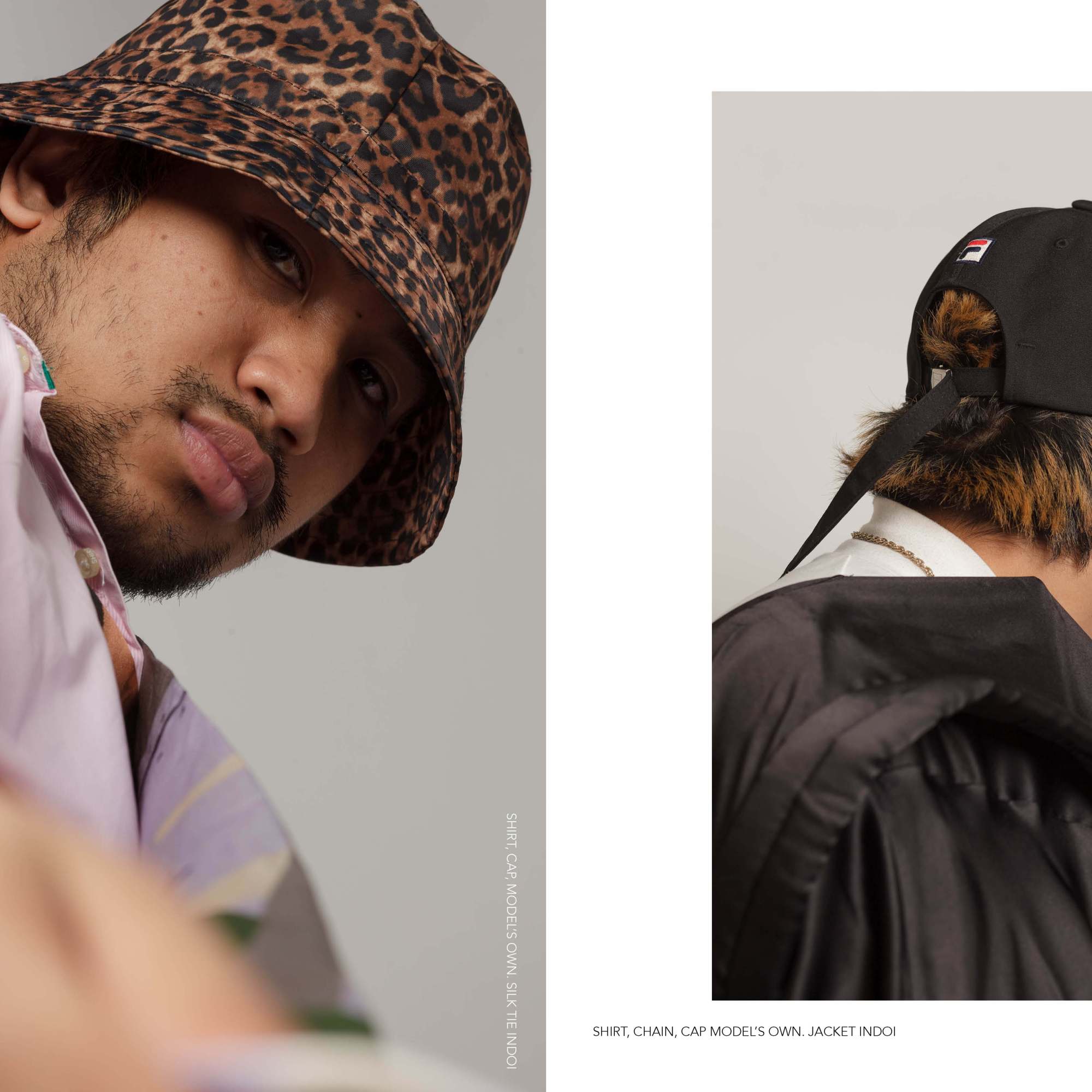
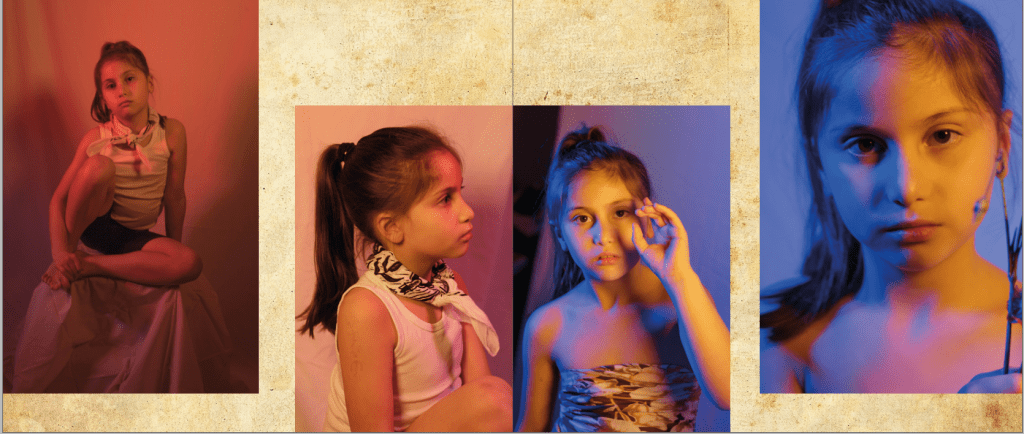
The above images are my magazine page spreads for my final submission and needless to say that I am happy with the result. As mentioned I was going for the single image layout evident in iD’s magazine pages. The simplicity of the layout gave space for the intended message og my project which is about sustainability in fashion.

If I had something to add, I would’ve done another shoot with different sets of clothing for another spread inside the magazine. The theme would’ve been colourism which is the prejudice or discrimination against individuals with a dark skin tone, typically among people of the same ethnic or racial group. I would’ve focused this on colourism amongst Asians as it is still prevalent in countries in this continent and since it is topic that is ignored or not recognised.

Otherwise I am contented with the submission on this unit.
Evaluation

Evaluation, Image Making

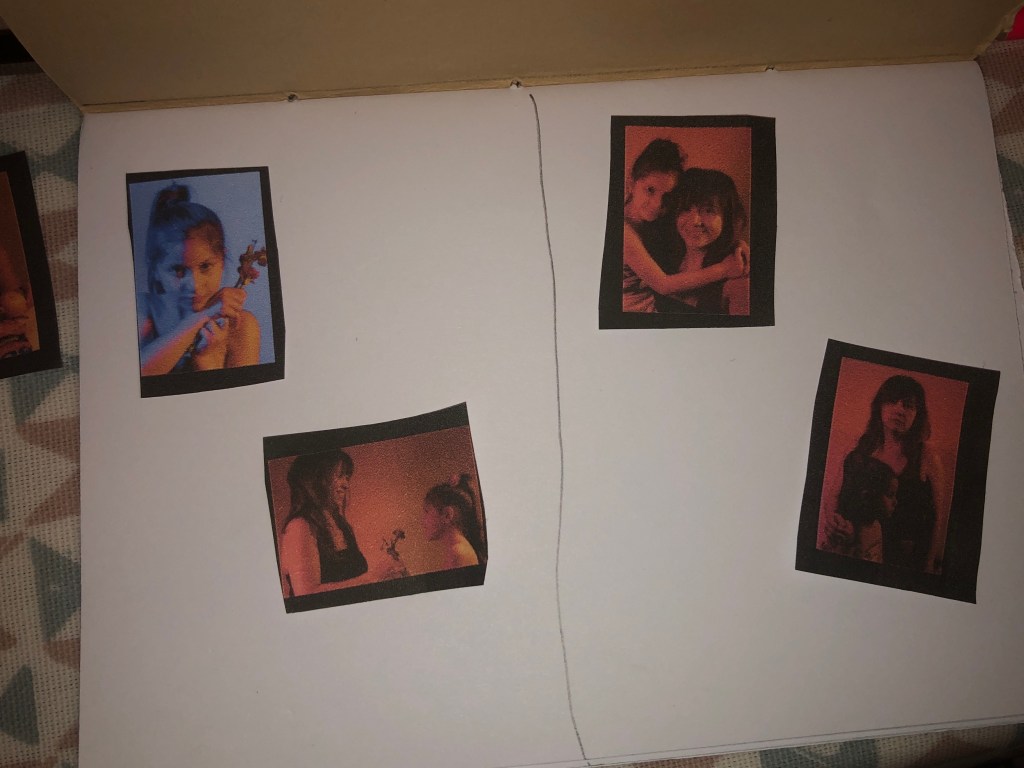
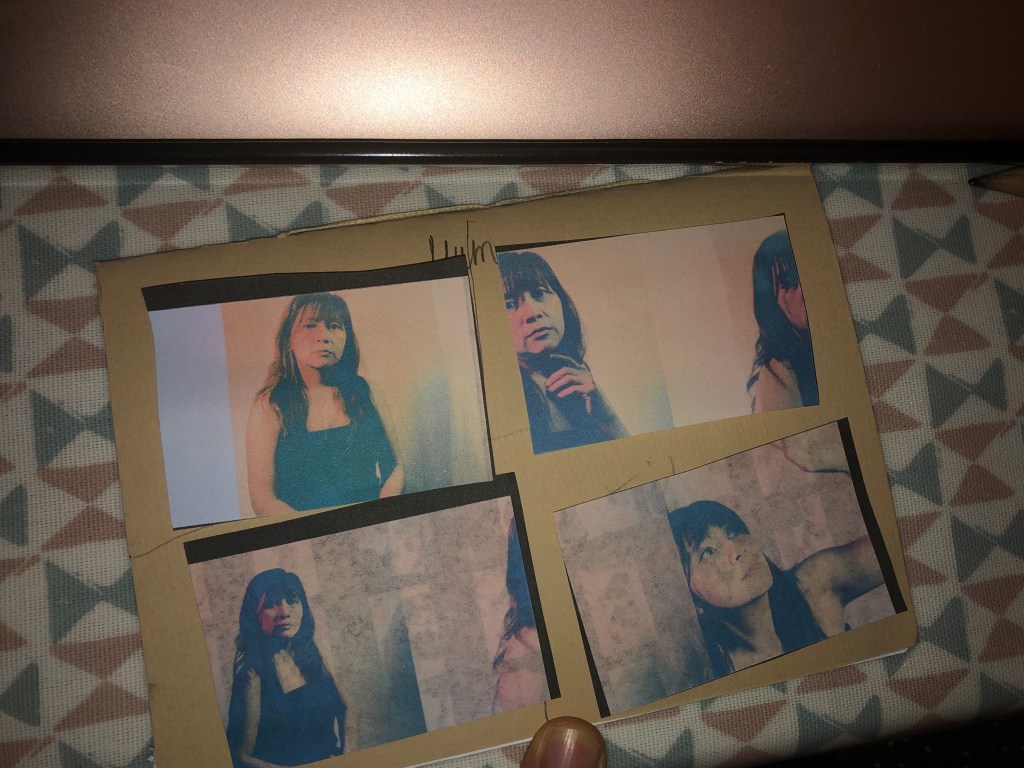
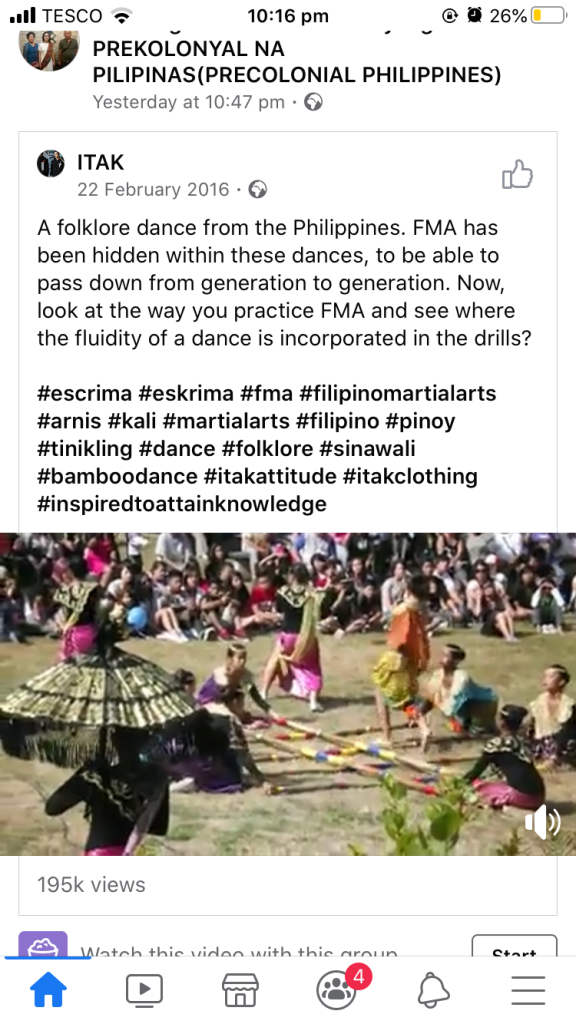
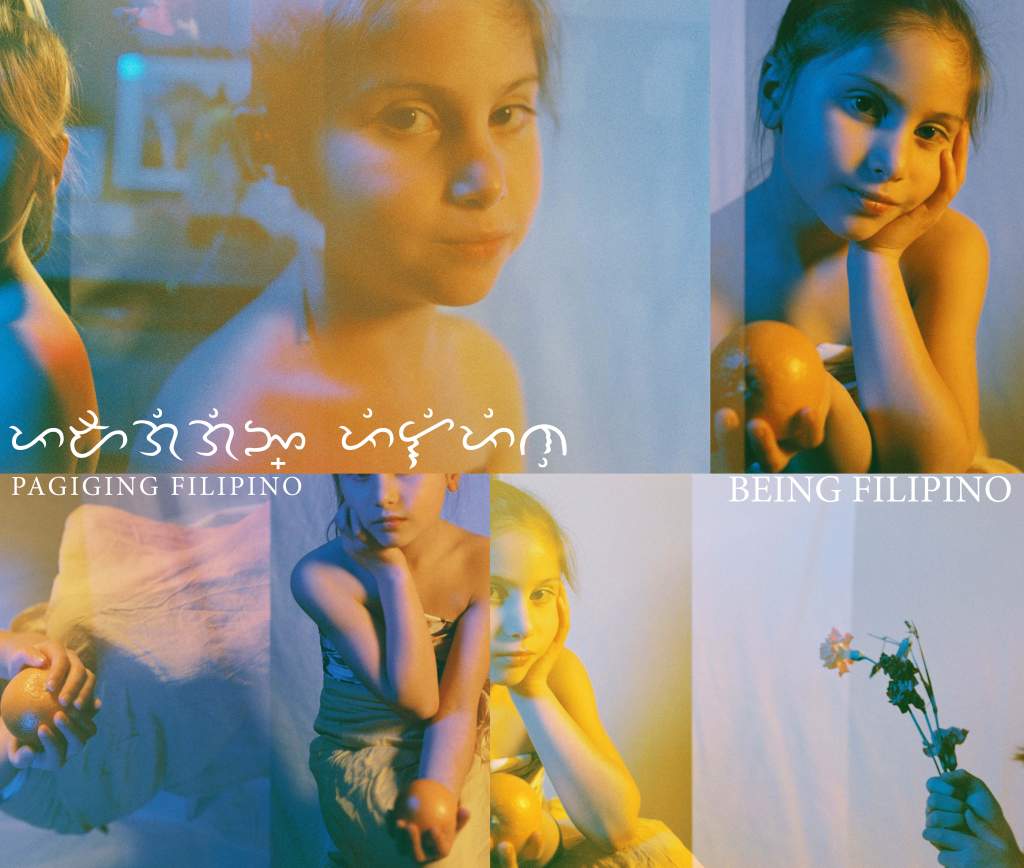
My idea for the project is to explore my Filipino heritage through the national costume, pre-colonial writing system and Philippine flag. Initially I was going to shoot the project on a photostudio but the studios on the week where I intended to do it was fully booked with workshops and other people’s shoots. Therefore, I had to move my shoot to my house which had advantages and disadvantages. The shoot was down in my lounge area which was quite tight due to the sofas and desk we had there so I made use of the space and since I had my own backdrop stand that was retractable I was able to successfully do it. Also I only owned a f1.8 50mm len therefore portraits were great but full body shots were a miss. I have previously mentioned that due to COVID-19 restrictions it has affected my shoot. Getting a response from a modelling agency, I intended to use a model but agencies decided to restrict their models from taking work, hence why I used my family instead who were more than willing to do so and Im was able to became closer with them. The downside to using my family is that I had to work around mine and their schedules since my sister had school (which actually was another reason why I was not able to draw more tattoos (henna) on her) at the time and my mum usually only gets one day a week free. Moreover, I was going to use my friend as a stylist since her aunt had the Filipino clothing I needed for the project but she did not get in touch soon enough before my intended shoot date hence the use of clothing/fabrics my mum owned. Lastly, the reason why I chose to still included the film photos of my mum and little sister is because I had no other photo eye-catching enough to use as the cover and plus I enjoyed photographing film at the time of the shoot.
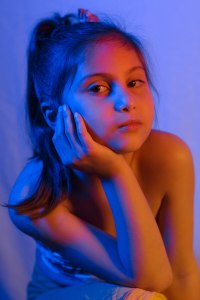
Overall, there were loads of changes to my shoot but nonetheless I am satisfied with the outcome of my photobook.

Editing of the Photobook

Image Making, Project Ideas and Development

After the announcement of COVID-19 restrictions, I had to be wary on when to order my photobook and in the end I realised that it won’t come til after the deadline. However, the university did email about the moving the unit hand-in online so I will be annotating point relating to how I wanted my photobook to look like in the physical format.

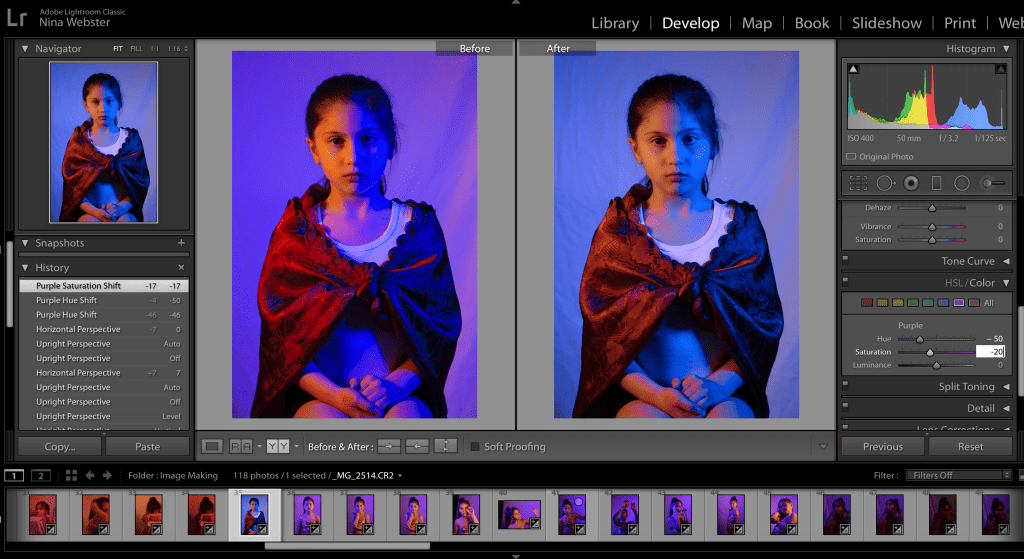
Firstly, I tweaked all the images in lightroom. I mostly focus on the predominantly blue-lit images to remove the purple hue.

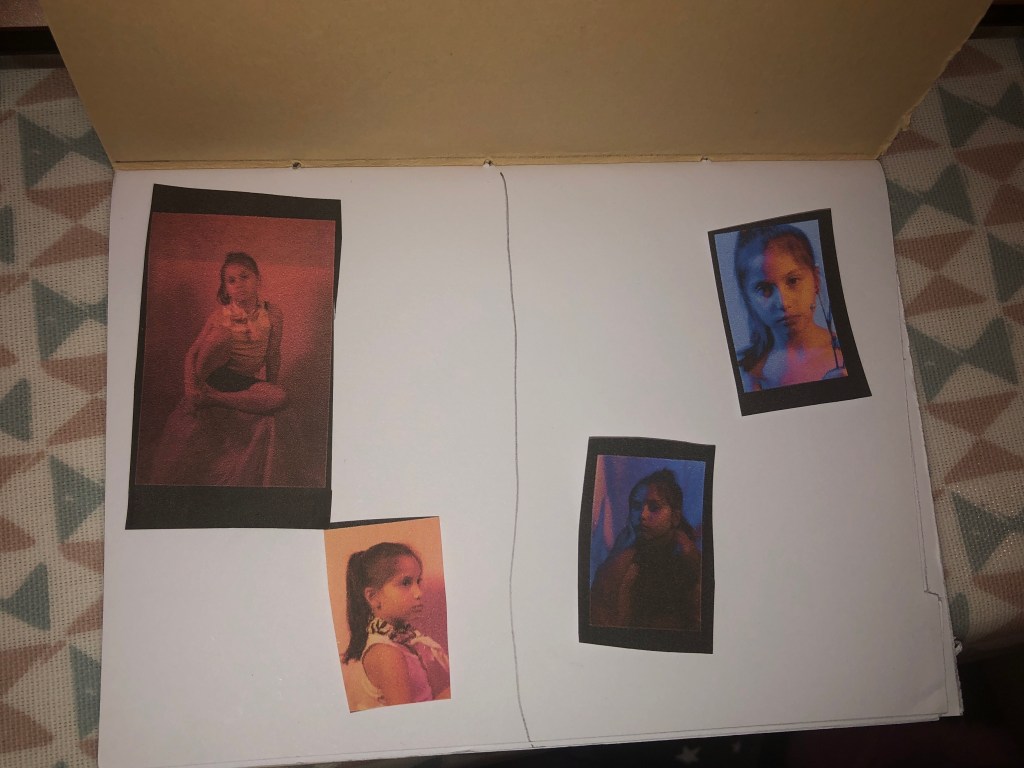
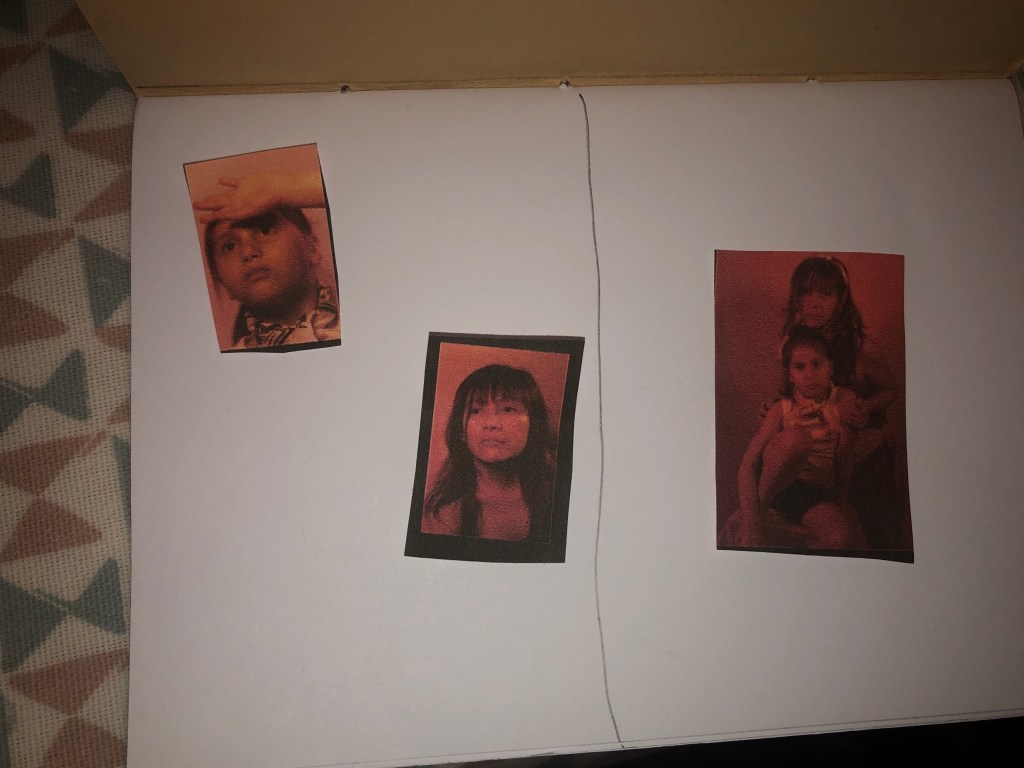
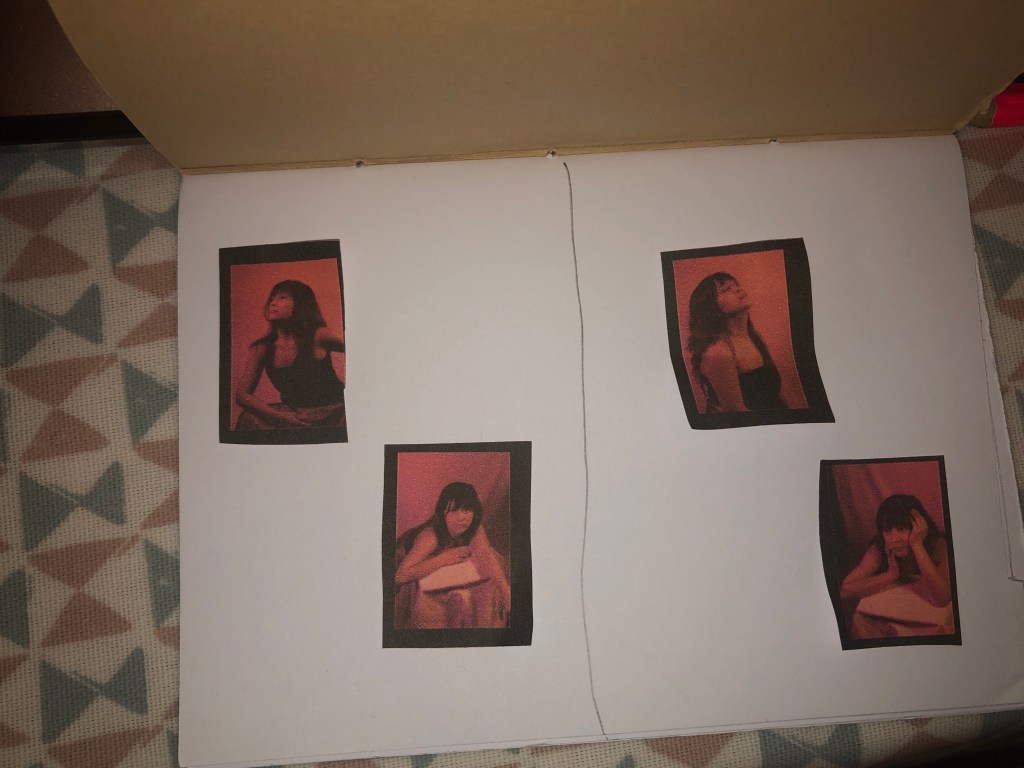
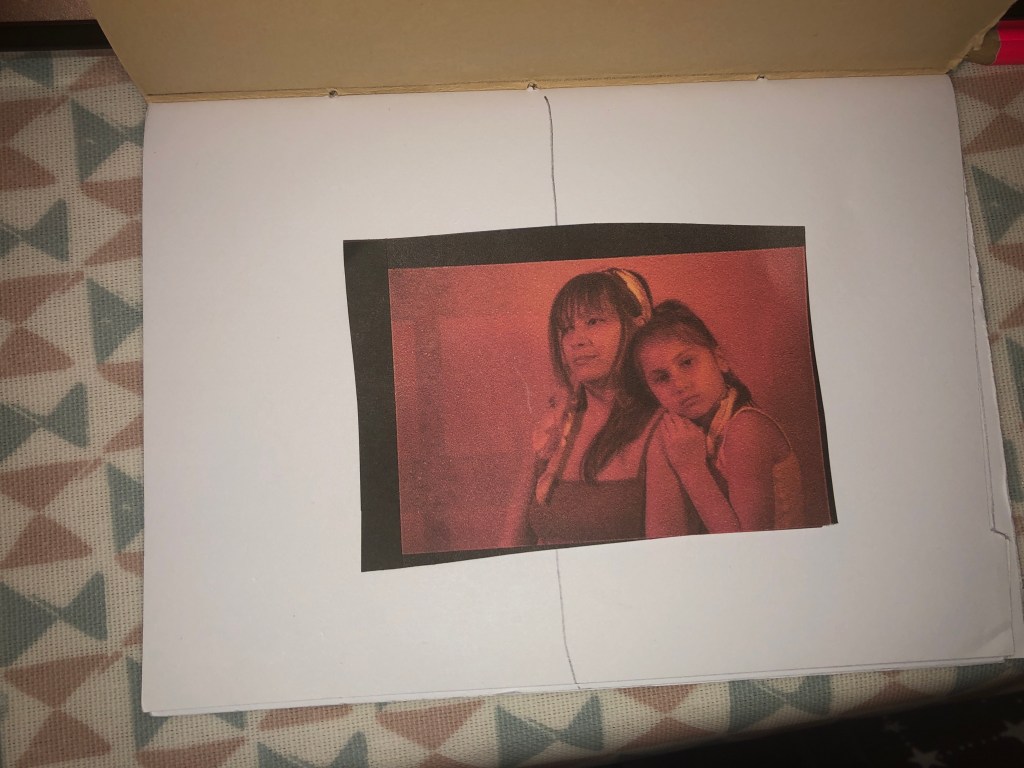
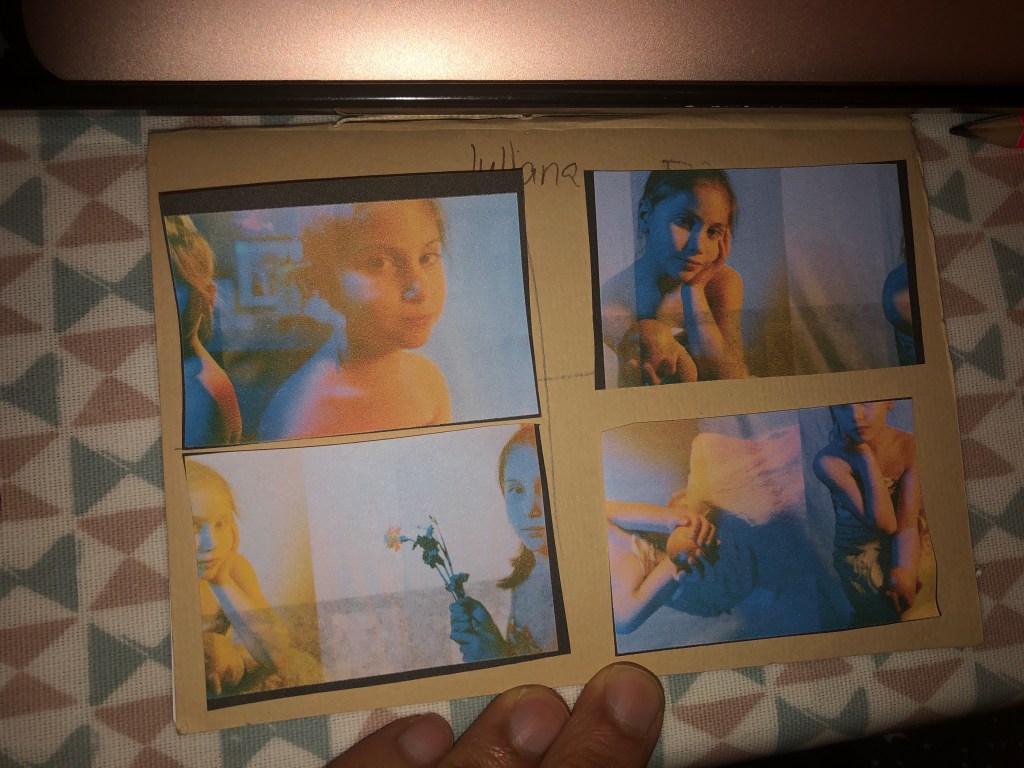
Before importing it all to InDesign I physically created a layout of my photobook using the book I made during our Photobook Making workshop. Keep in mind most pages are combined into one spread for continuity.

During the editing of the photobook, it was quicker to edit because of my physical copy.

Initially I was going to just going to leave the background plain but decided to add a vintage background to replicate old papers left from the past.

Final Shoot

Image Making, Project Ideas and Development, Project Ideas and Development

The final shoot went well as working with my family brought us closer together. However, there are a few factors I wish I could’ve change for my project.

It was challenging to get both my mum and sister together because at the time school was still on and I had to wait for my sister to come home at 3pm when I had loads of free time in my hand. My mum is a nurse and usually only has one day off or on the weekends when I usually work she’d have a day off. All-in-all I made the shoot worth while for my two models and thought it was fun.

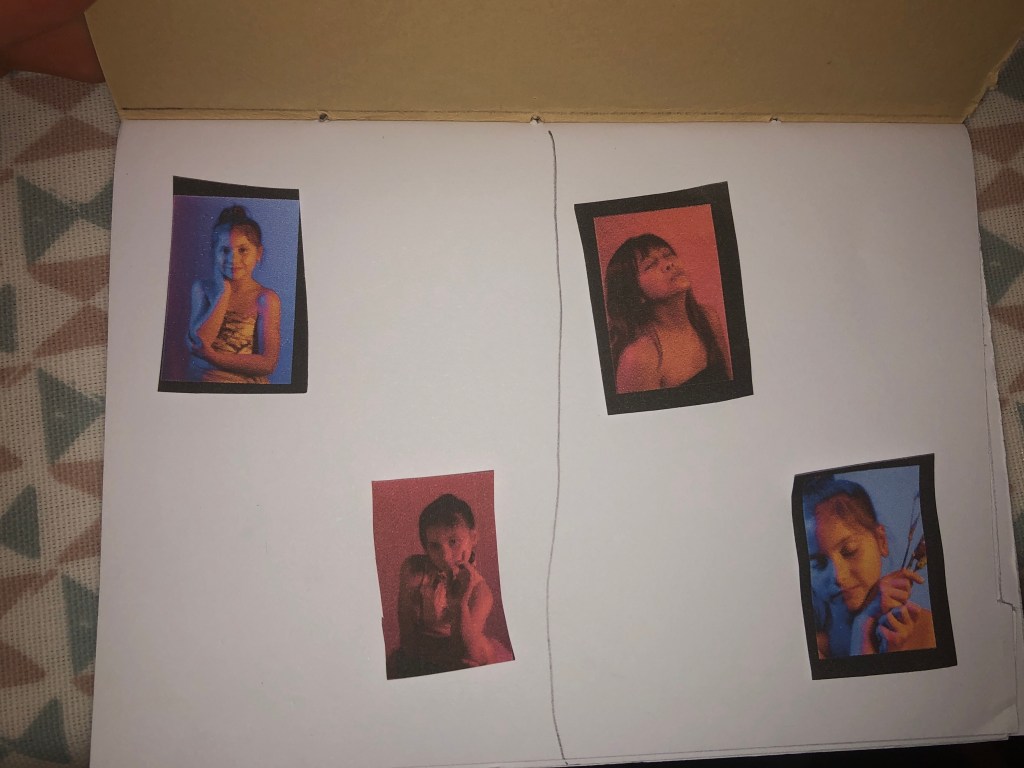
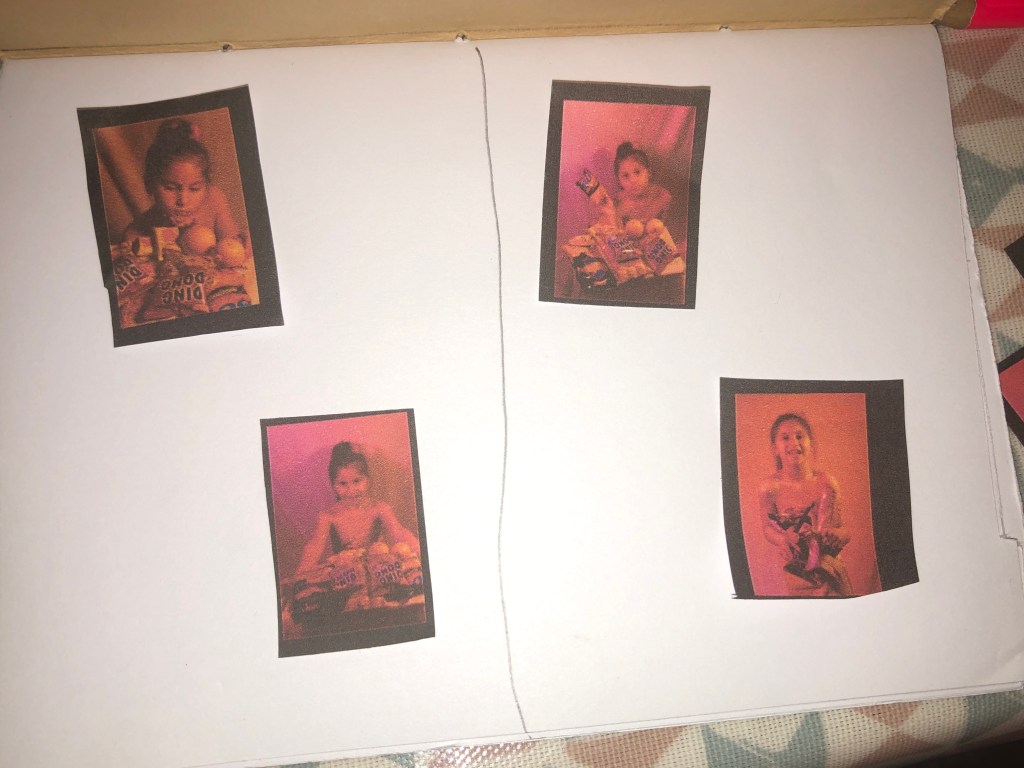
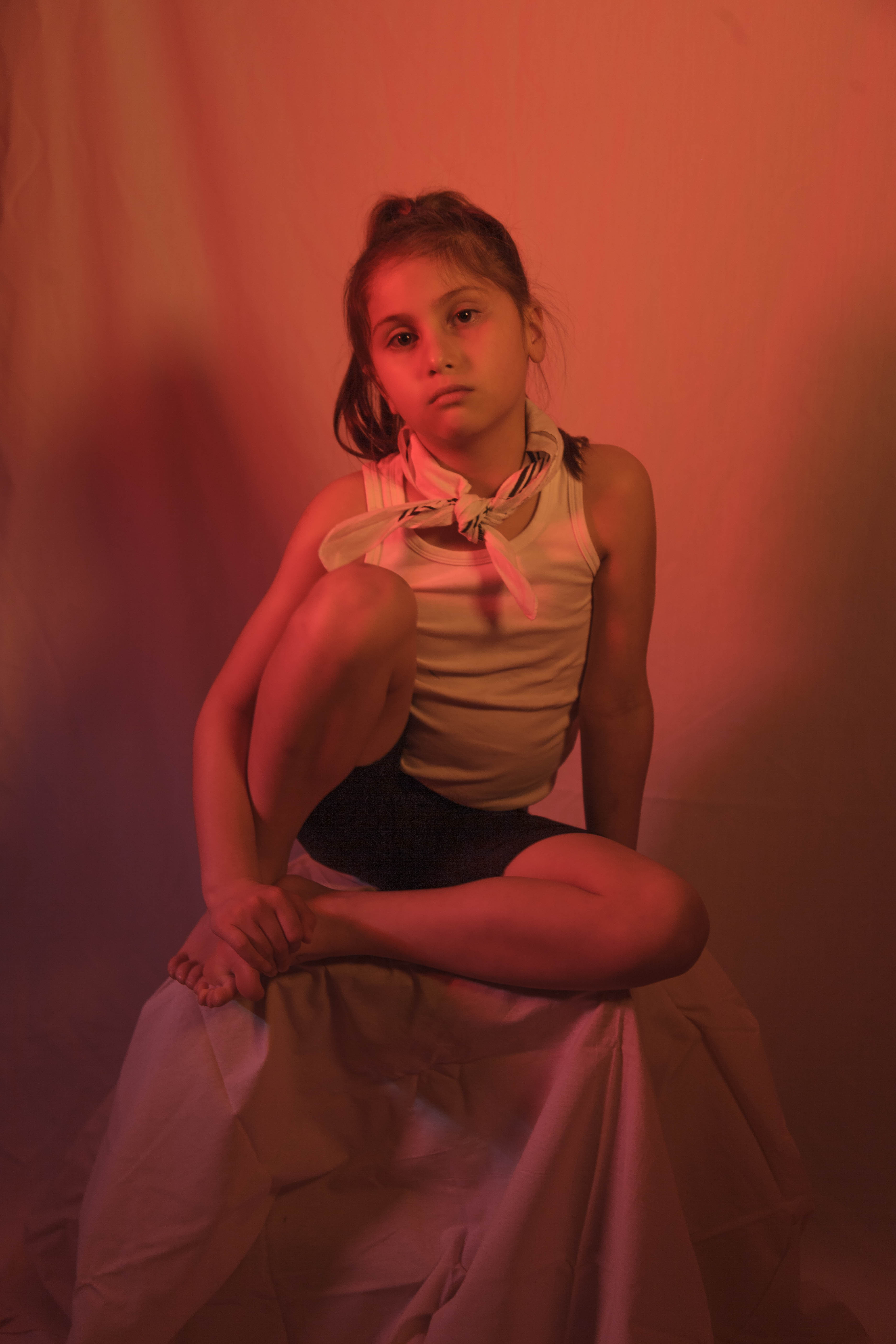
Firstly I used my little sister for the shoot since she came home earlier than my mum.

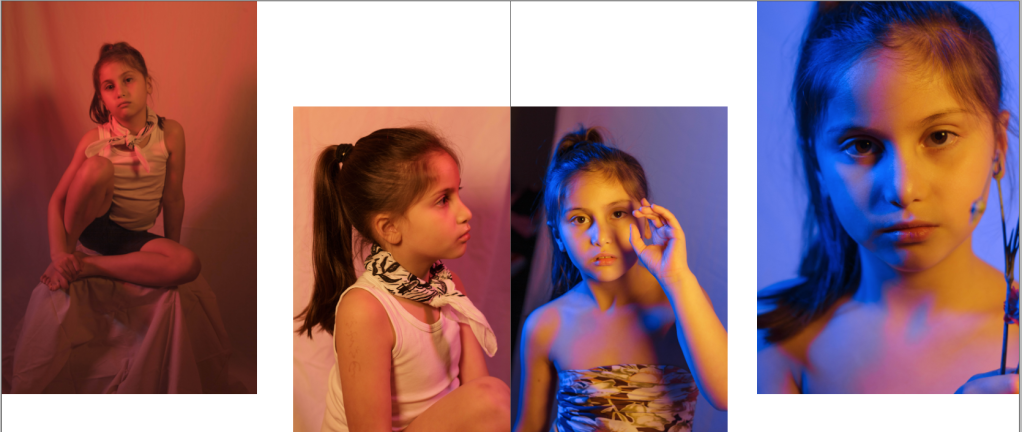
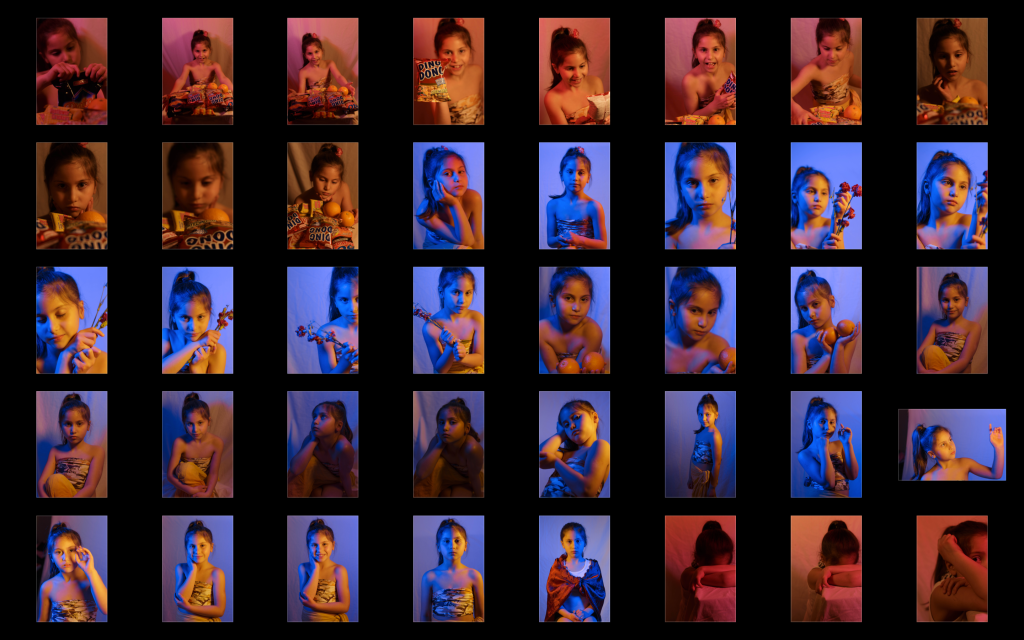
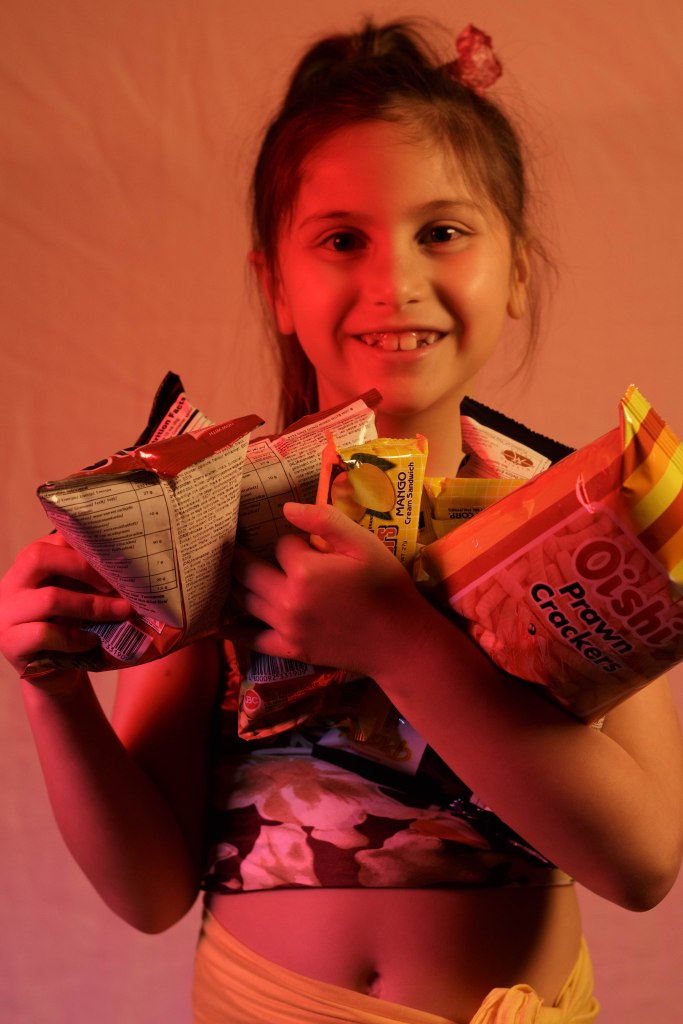
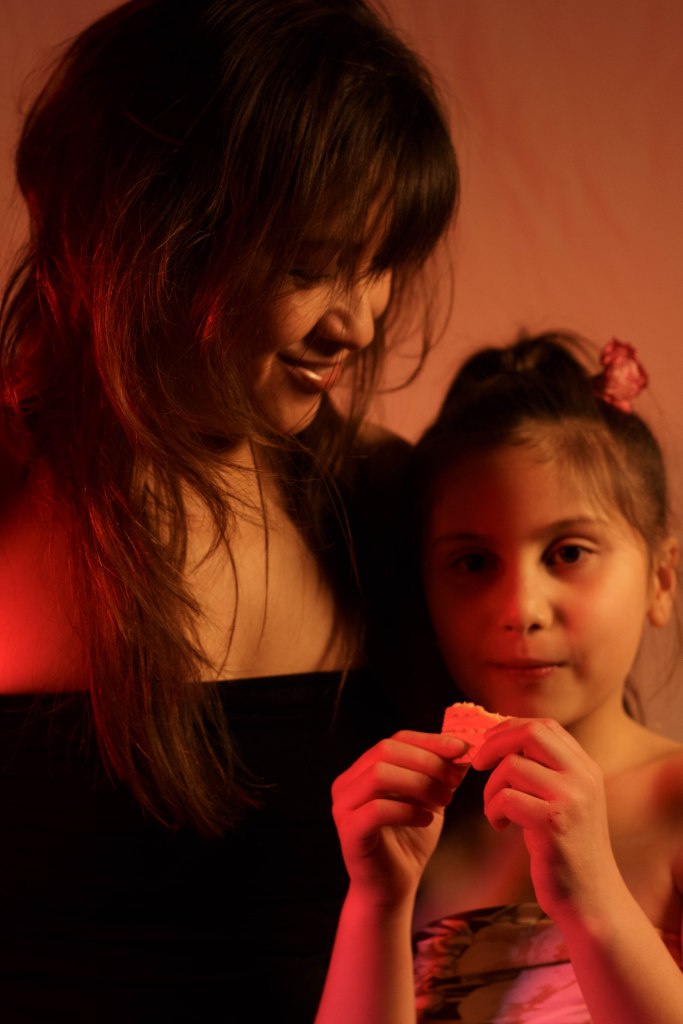
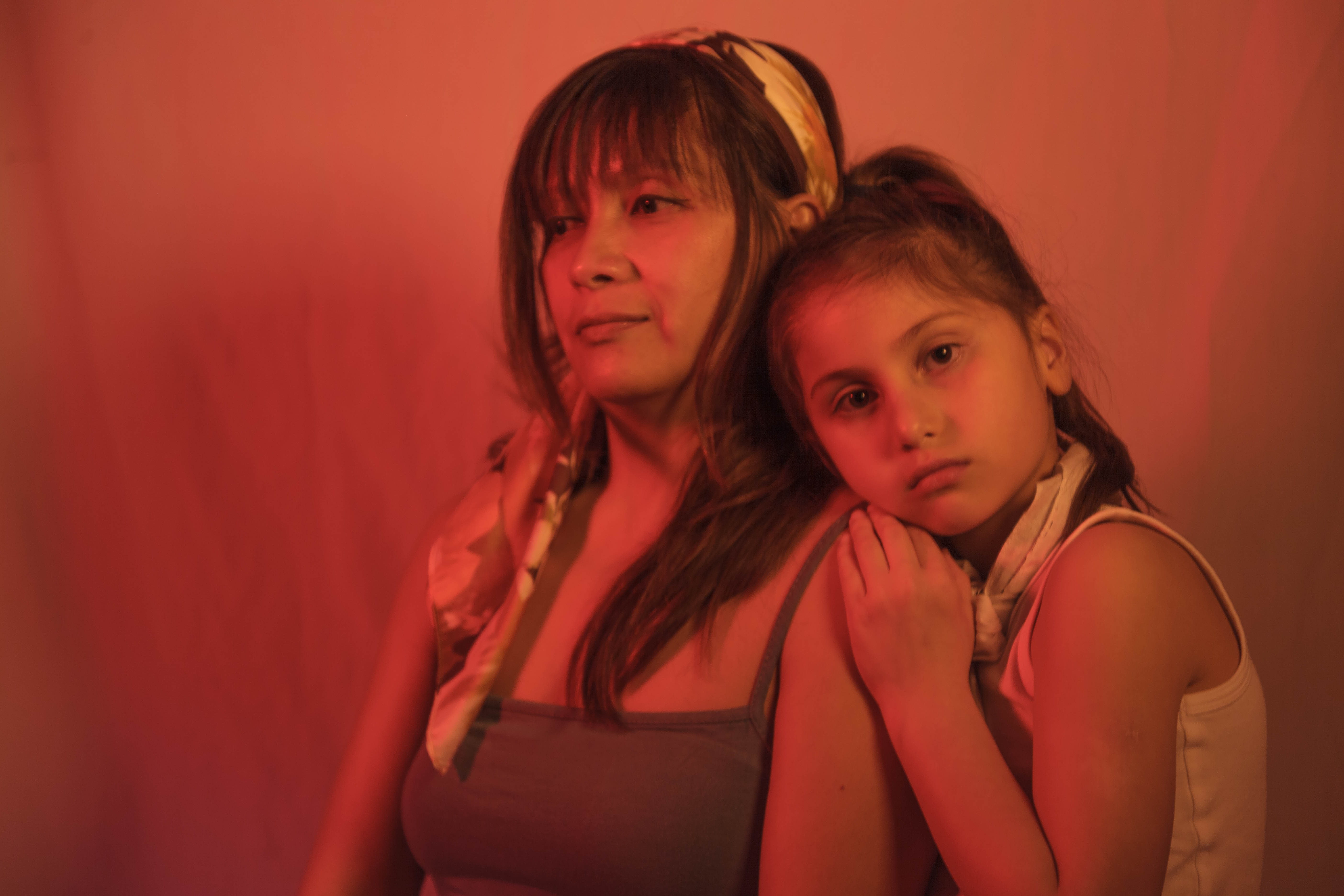
With my little sister’s shoot I managed to create more ways to play with the primary colours I wanted to use to represent the Philippine flag this is because she is more comfortable and was keen to model.

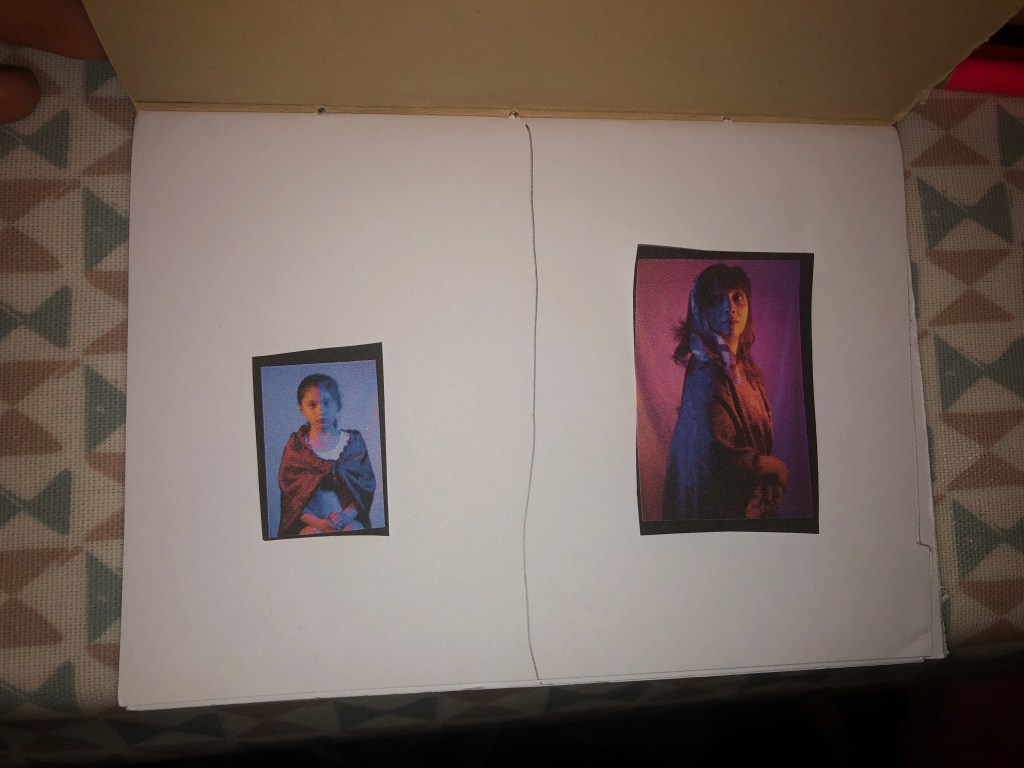
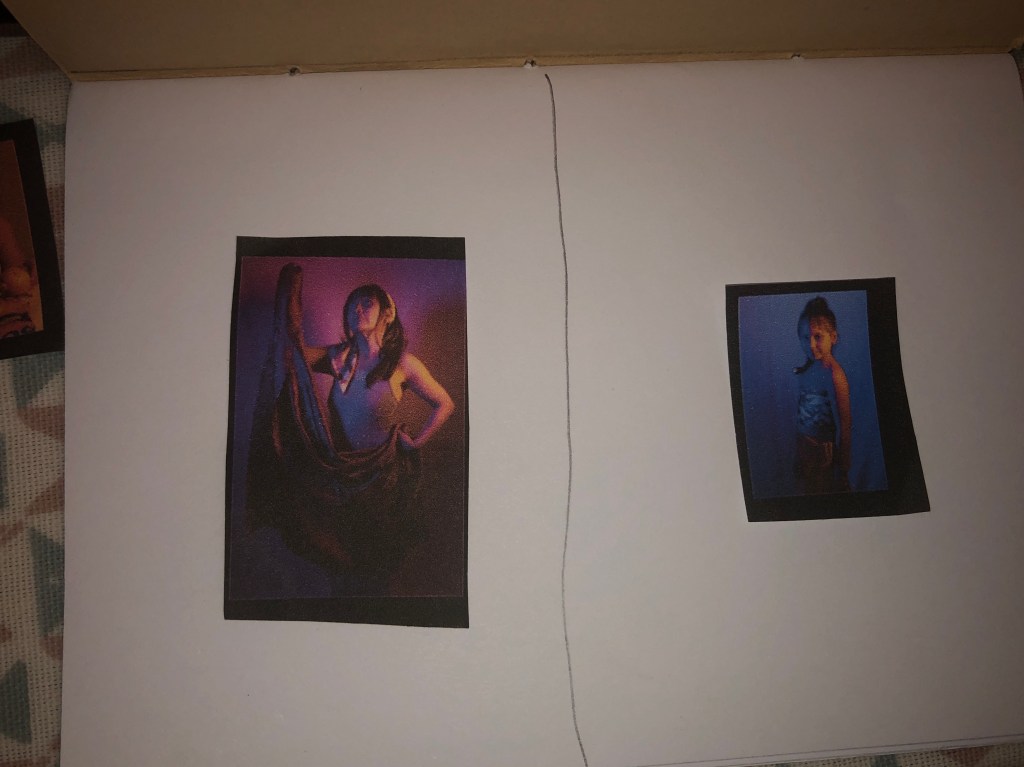
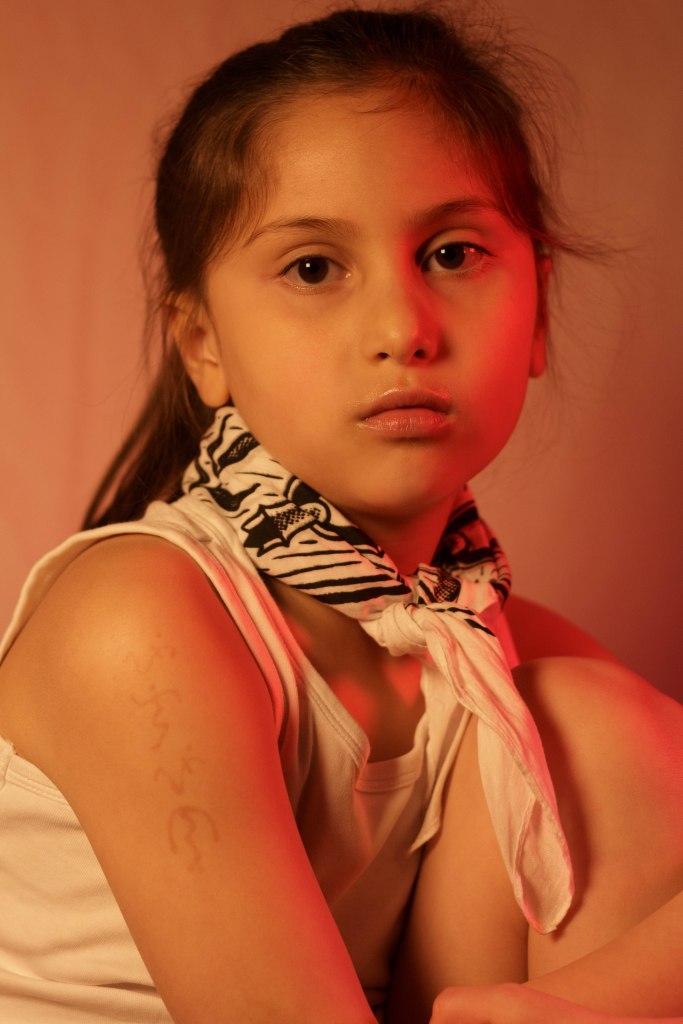
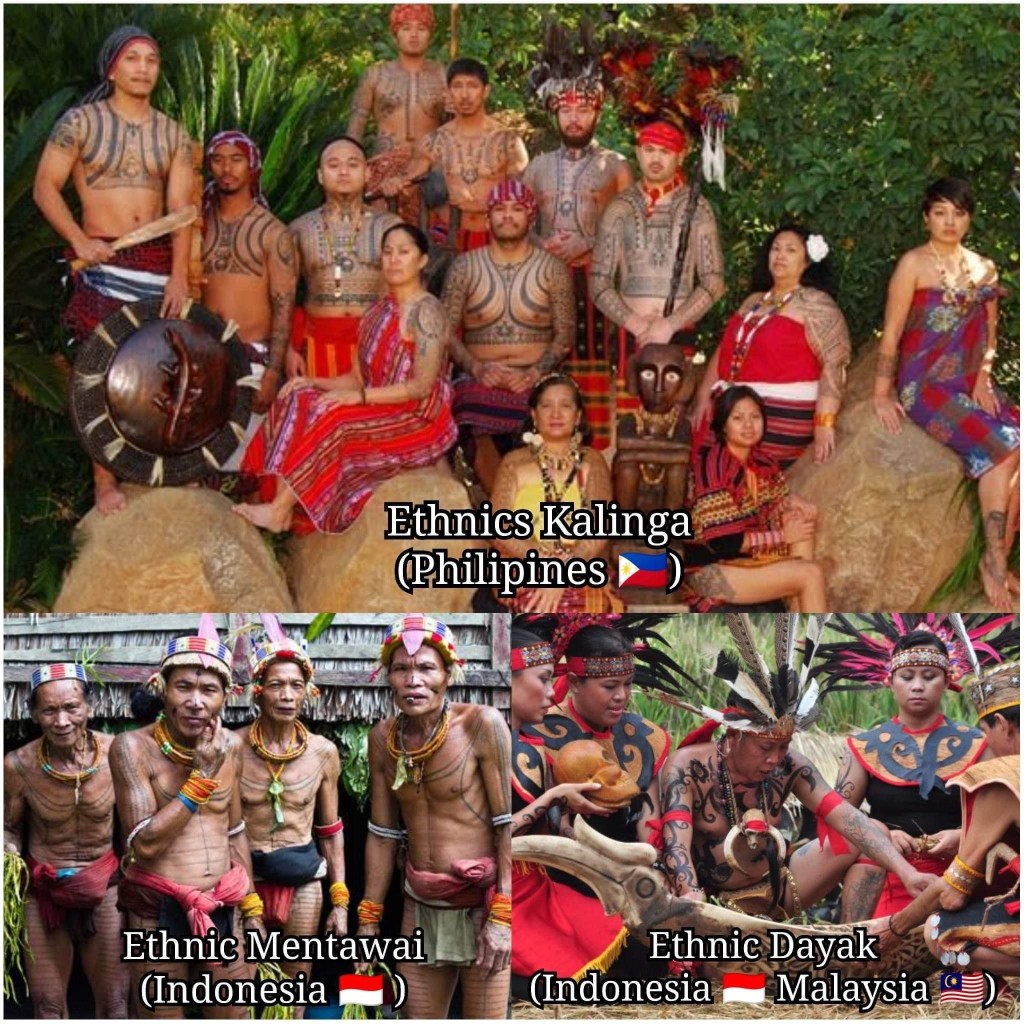
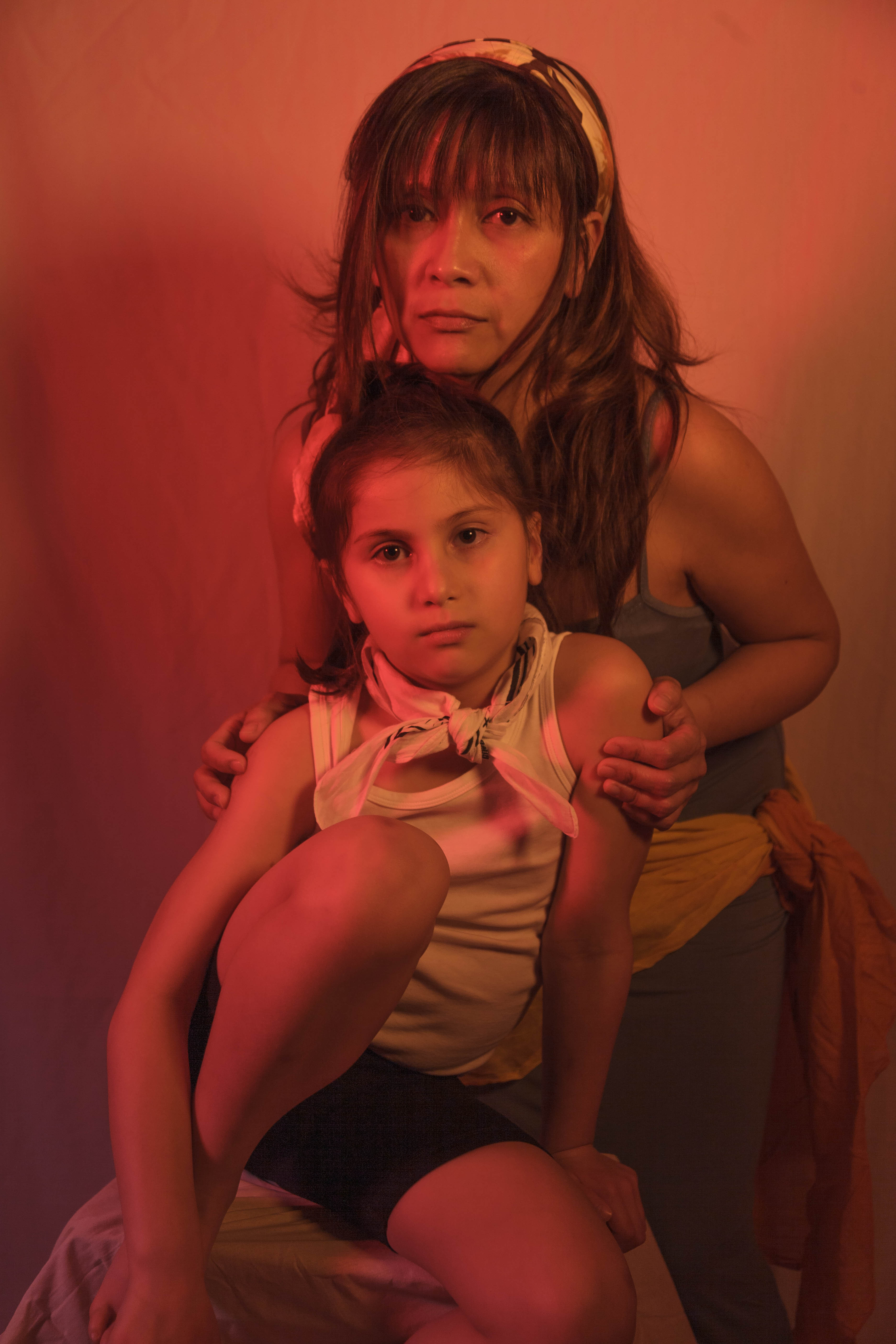
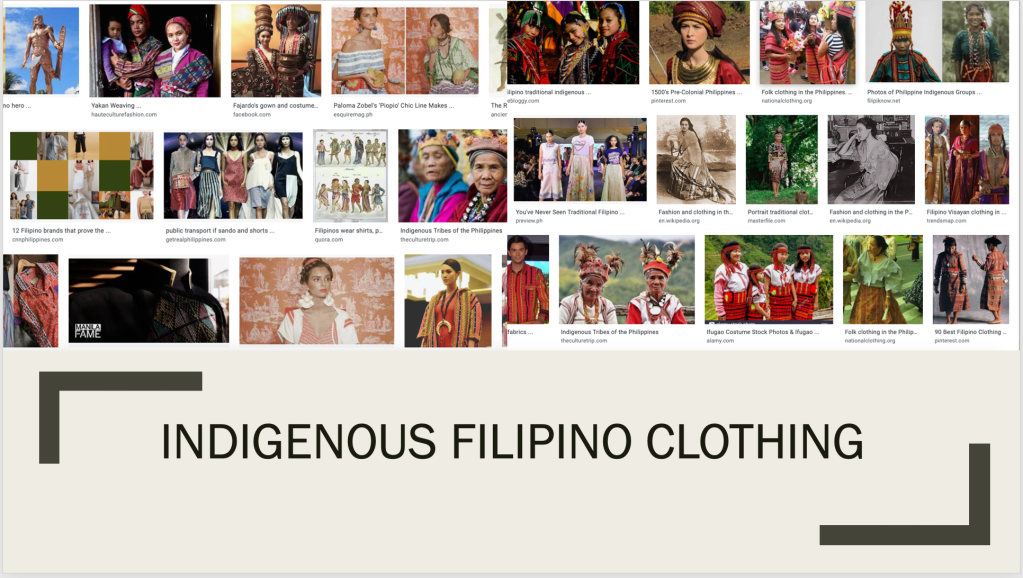
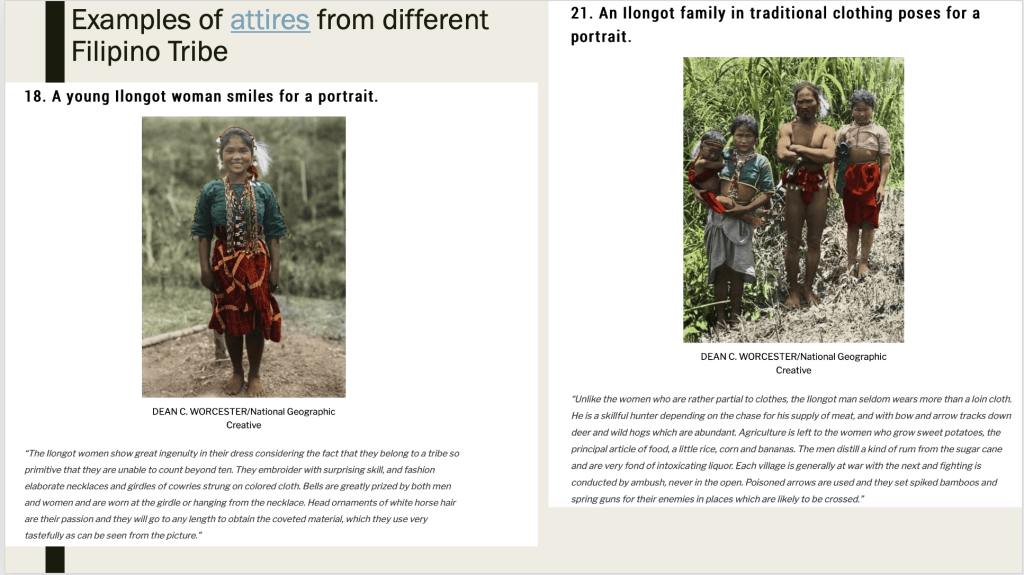
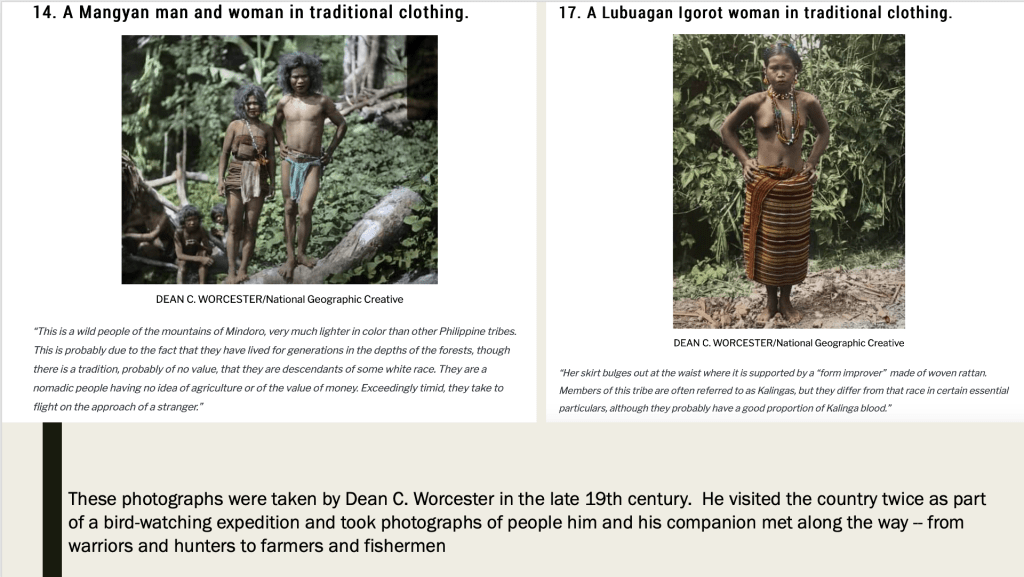
On my Filipino tribe posts, I mentioned about basing their outfits on them and due to limited sources I did the best I could. Firstly I wrapped my mum’s yellow scarf over my little sister’s waist as a skirt and my headscarf as her tube top seen in the pictures.

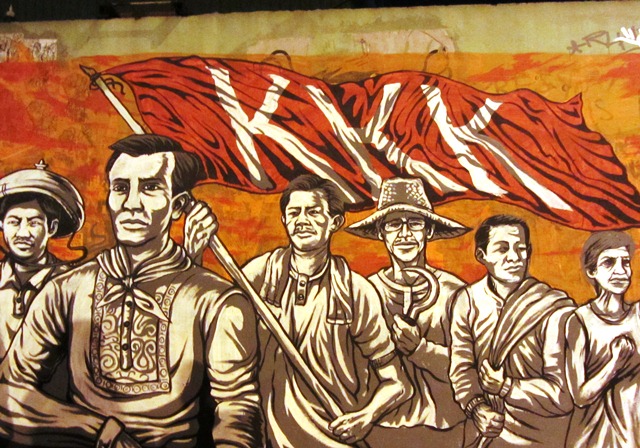
Secondly I dressed her up as one of the “The Kataas-taasang, Kagalang-galangang Katipunan ng mga Anak ng Bayan”, also known as Katipunan or KKK; this was a Philippine revolutionary society founded by anti-Spanish colonialism Filipinos in Manila in 1892. To represent patriotism to the country. (No, this has nothing to do with the the Ku Klux Klan (KKK)

Also shown is the babayin script “tattooed” (I used henna) on her arm to further represent her Filipino blood, however, it did not appear well so there were not a lot of close-ups of this.

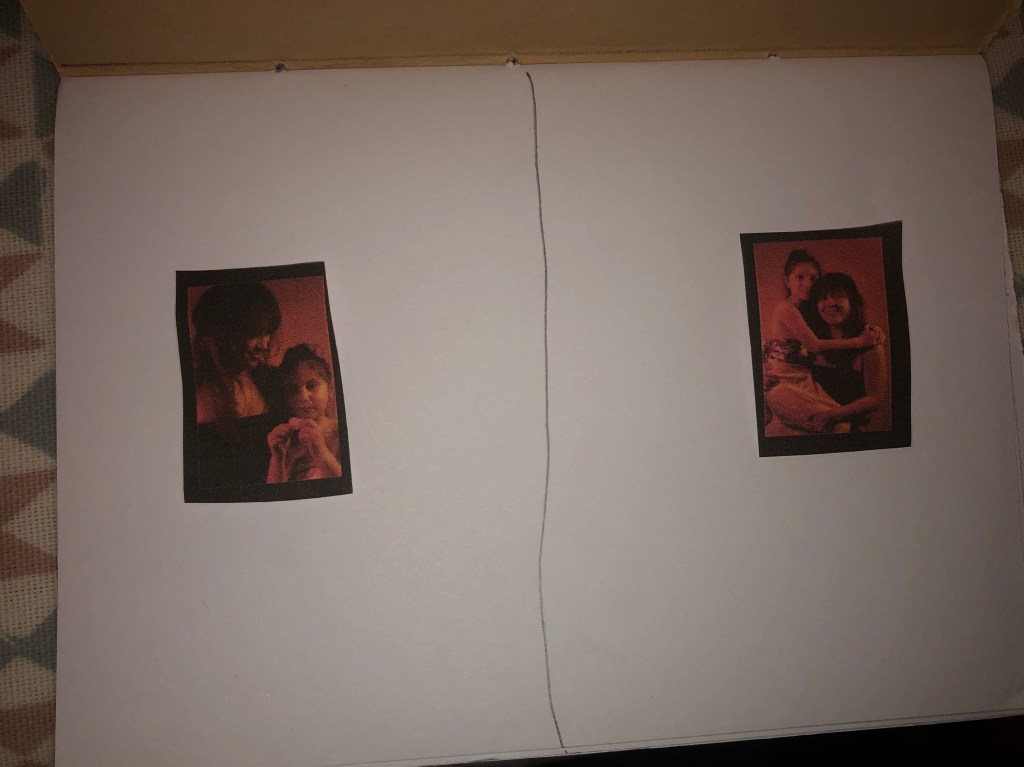
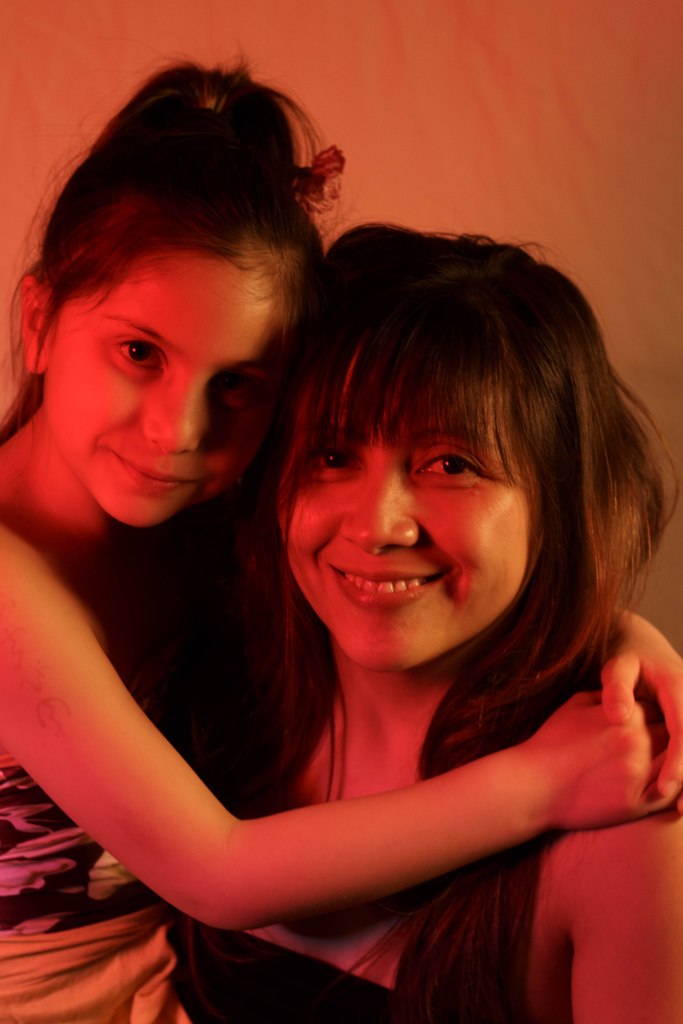
On the same day was my mum’s day off so I managed to capture a mother-daughter moment; my sister is actually half English half Filipino, therefore, capturing her and my mum together shows where she got her Filipino side from and how proud she is.

Moreover, due to the low light situation some of my shots were darker and blurrier than intended. Also I shot all of this at around 7-8:30pm because it was when everyone was free and it was just before my sister’s bedtime so I did not have enough time with my mum also due to the fact that she studies for her own university work. But I still manage to capture some shots with my mum nonetheless.

Although, I could have had another shoot there was not enough time due to having to send my photobook to print.

Test Shoot & Changes

Image Making, Project Ideas and Development

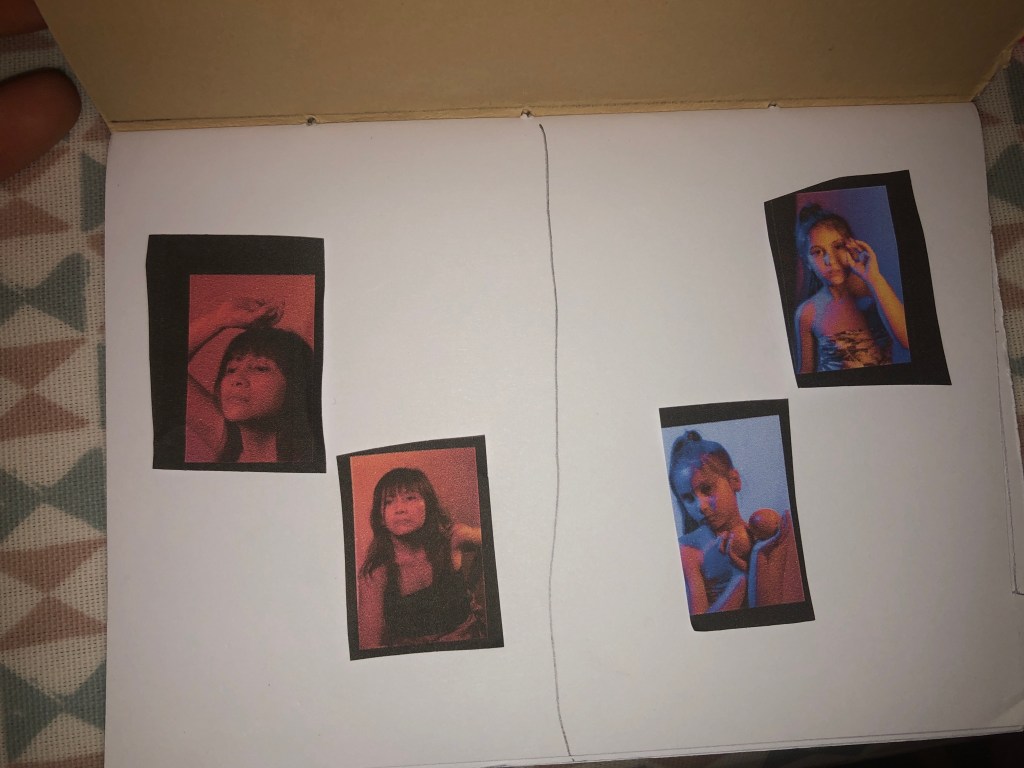
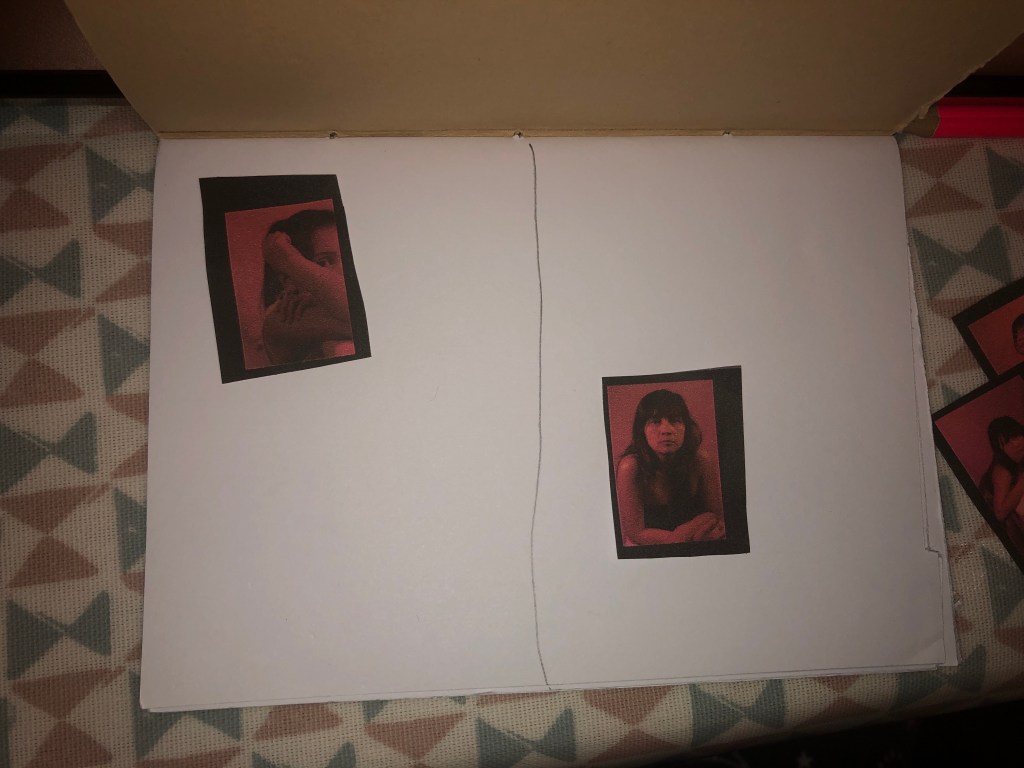
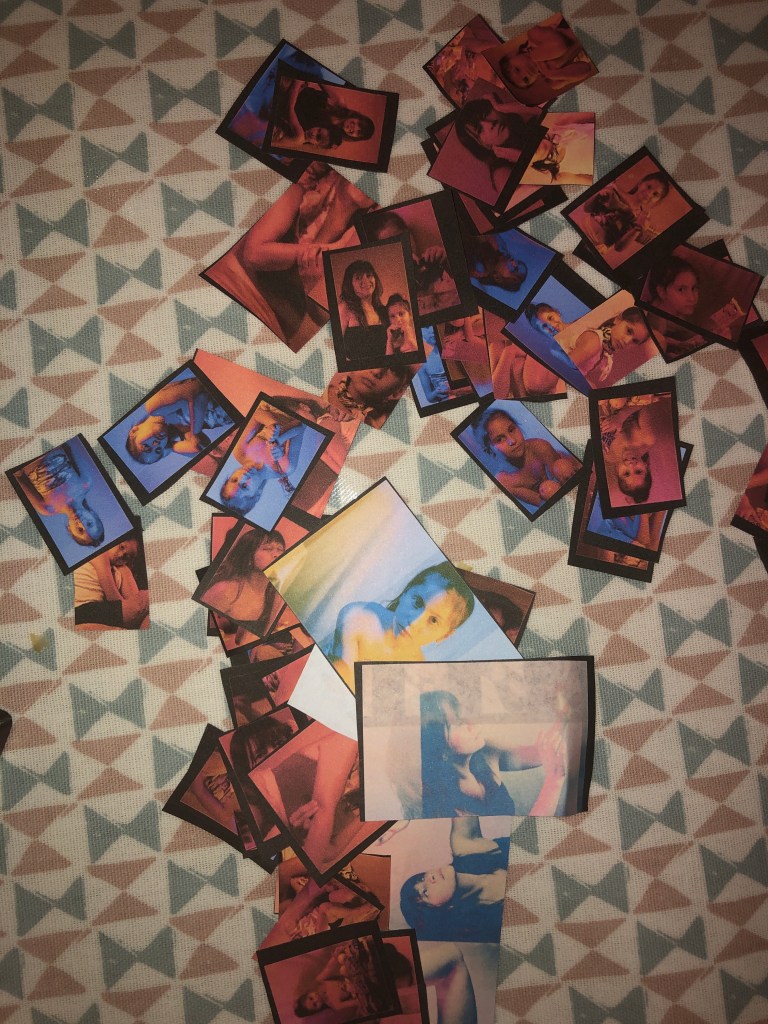
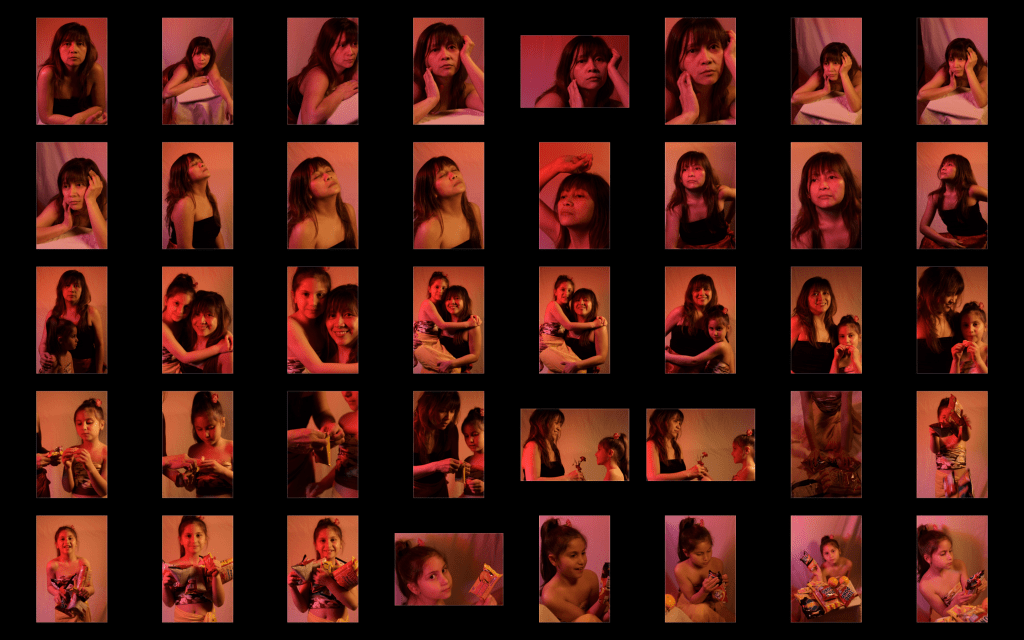
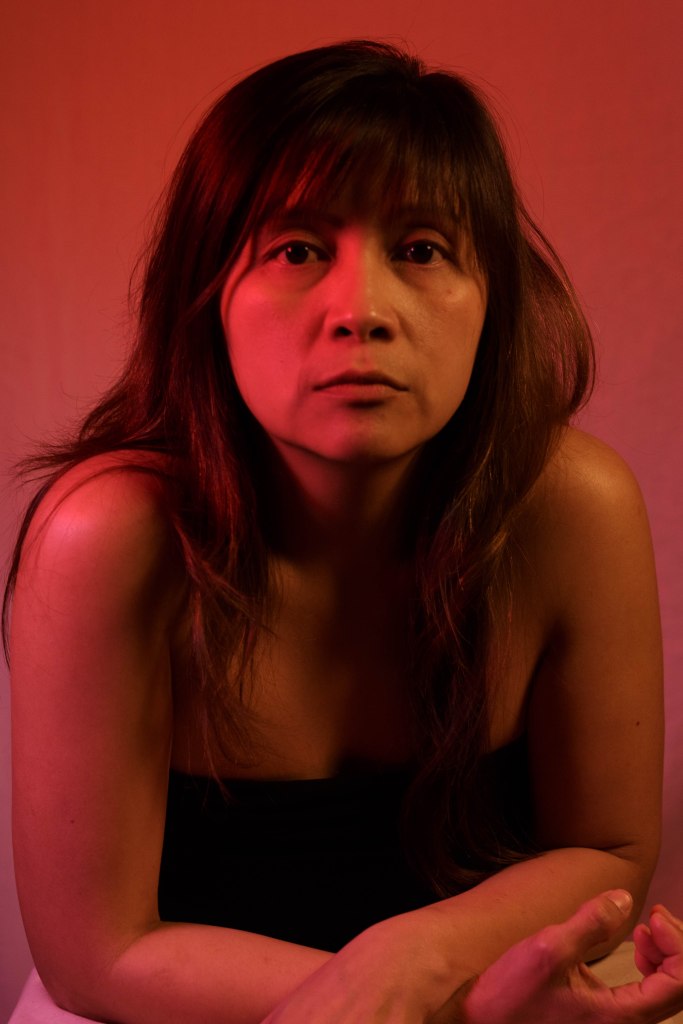
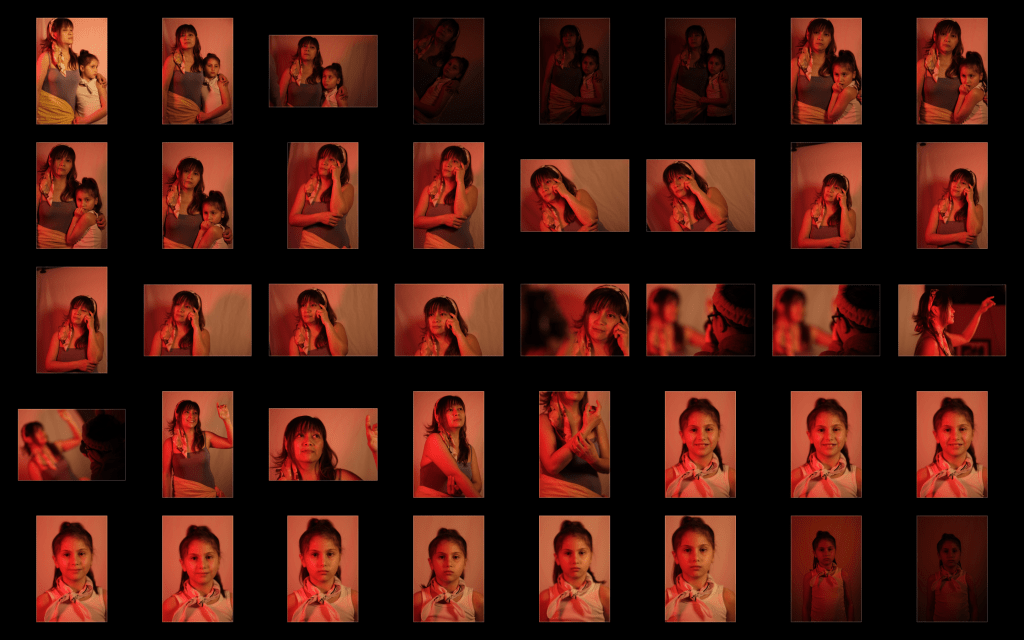
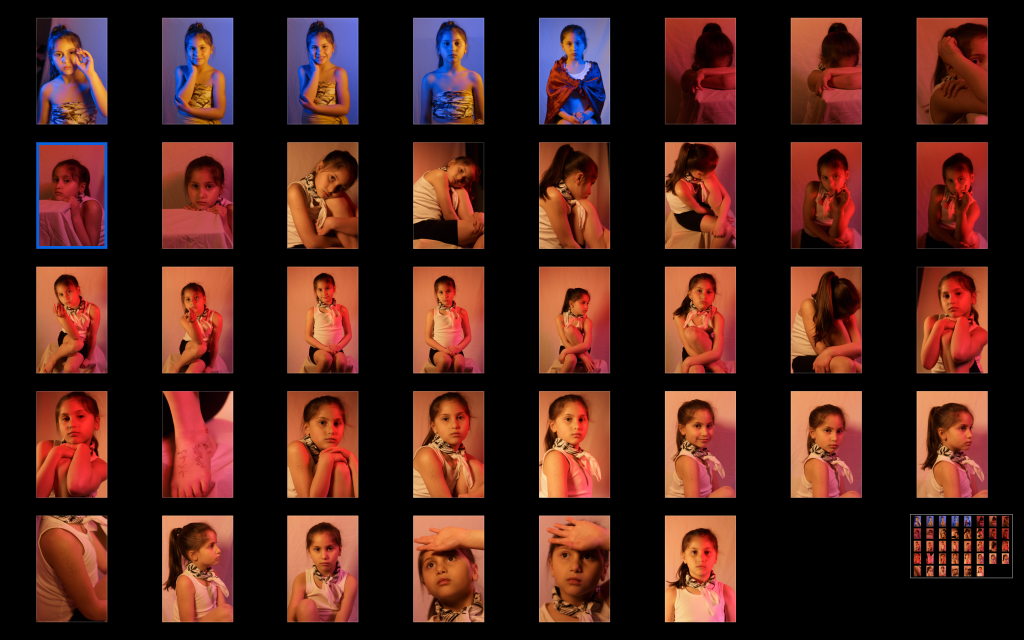
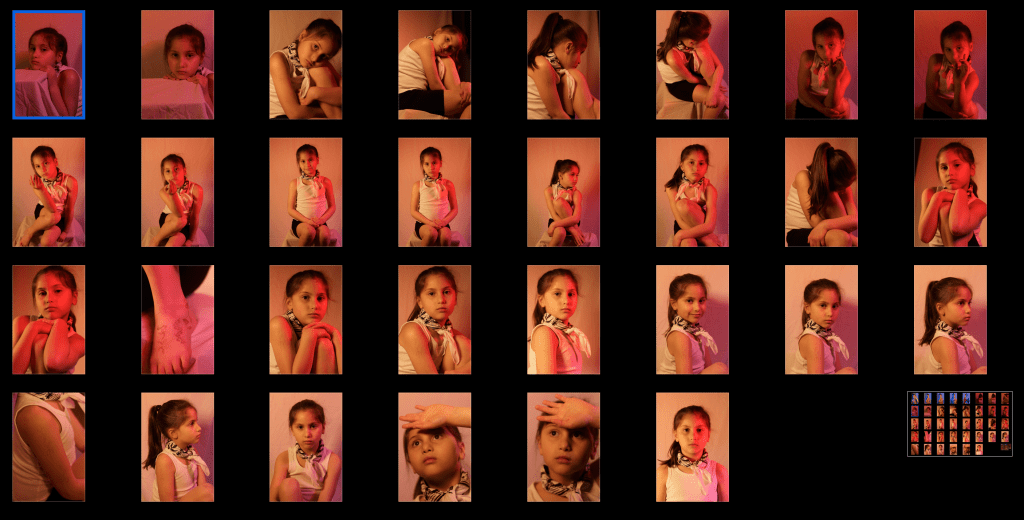
After gathering my ideas I decided to do a test shoot. As mentioned due to COVID-19 restrictions, I was not able to use any agency models for the shoot, therefore, I decided to use my mum and little sister instead as it also makes the project more personal to me. Below are thumbnails from the shoot.

And here are some photos I edited and thought would fit in my photobook.

In addition to changes due to COVID-19, I had to do the shoot in my living room at my house and due to restricted space and the sue of a f1.8 50mm lens all the shots were quite uptight and was hard to achieve a full body shot resulting into a successful one which is only the second image.

Changes of outfits

Contextual and Visual References, Image Making

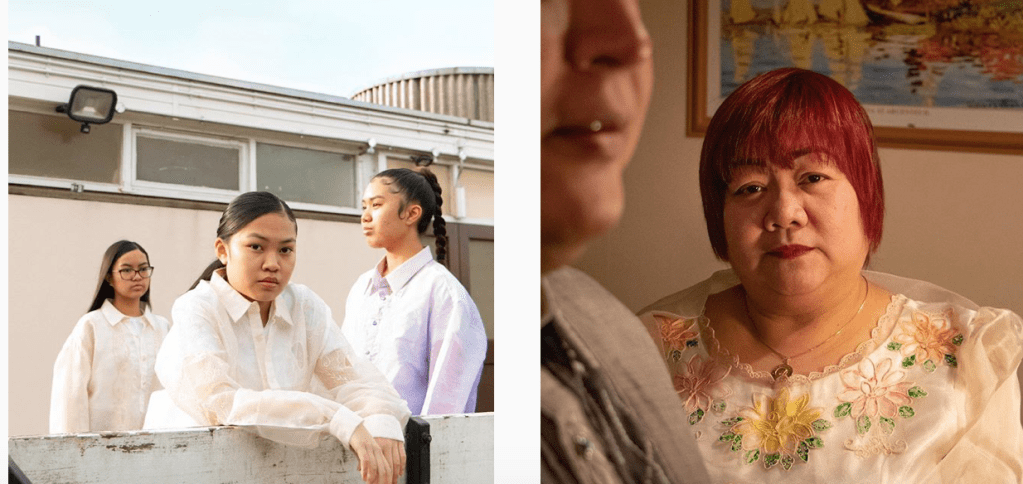
Outfits were another factor that affected my shoot. Initially I asked my friend, whose aunt owns a baro’t saya and barong , did not get back to me in time. Below are examples of the outfits I would have used.

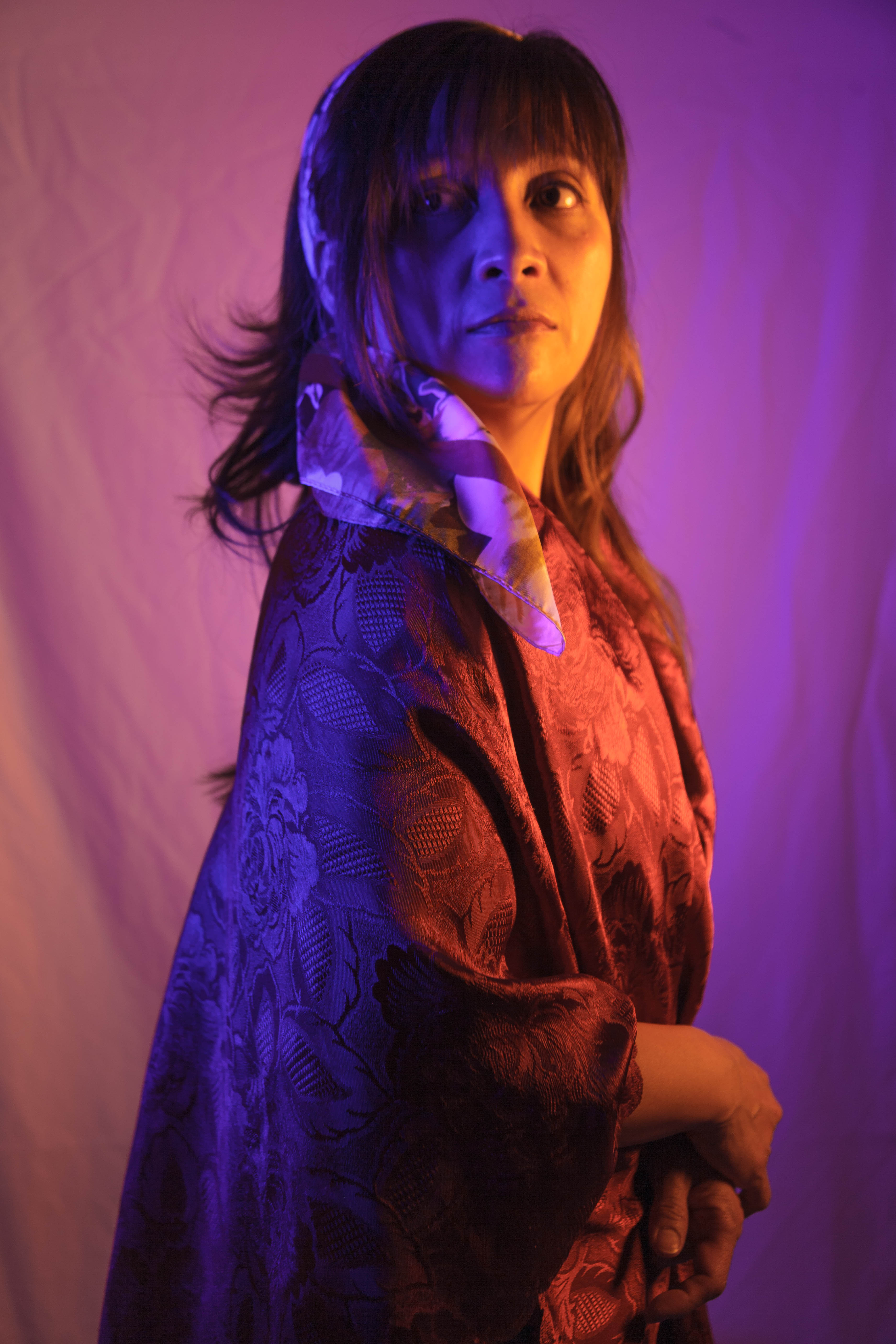
So I had to change and make use of outfits that my mum owned to make it. To further help, I combined my knowledge of the filipiniana I researched as well as finding out more about different filipino tribe’s clothing.

I will be doing a test shoot with my mum and little sister whom I will both use for my project.

National Filipino Costume

Contextual and Visual References, Image Making

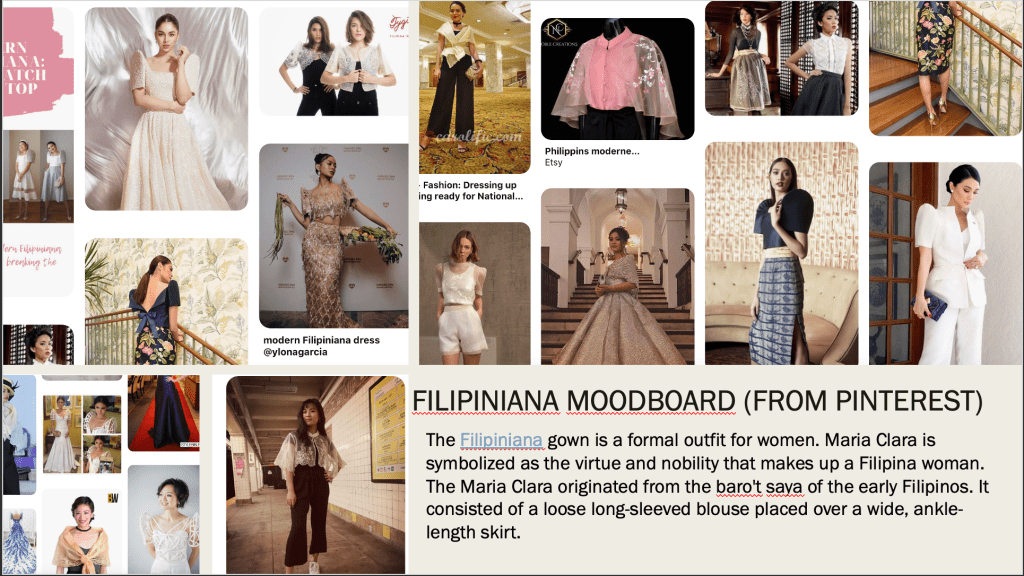
As previously mentioned, I want to include the national filipino costume for women which is baro’t saya/ filipiniana. The reason for focusing on Filipina women is because as one myself I wanted to show the numerous ways the attire can be worn.

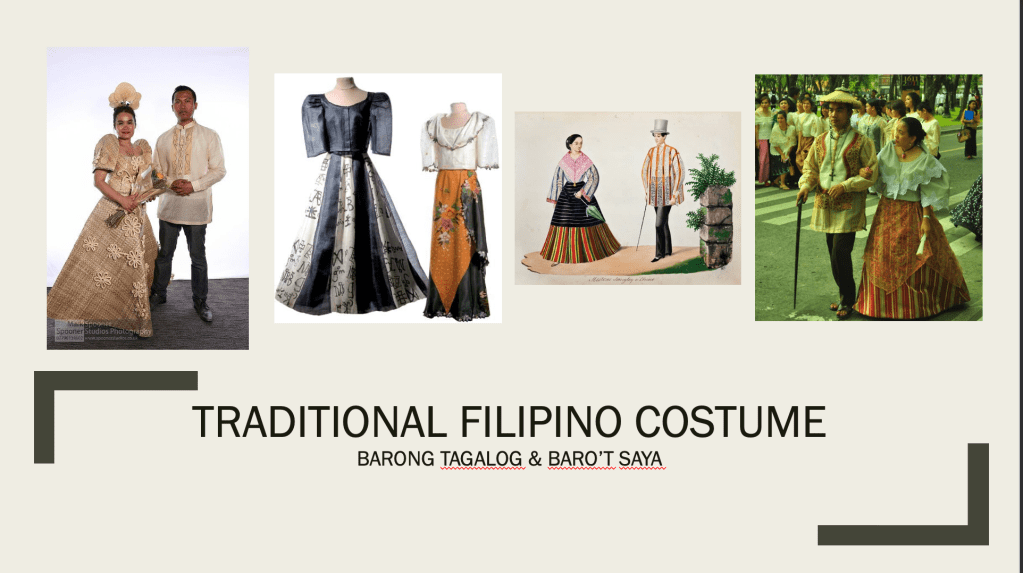
Baro’t saya or Filipiniana is a loose ensemble composed of a baro, a fine fabric blouse fitted with butterfly sleeves, and a saya, an elaborate skirt made of plaid or striped cotton. This was inspired by costumes donned by statues of the Virgin Mary.

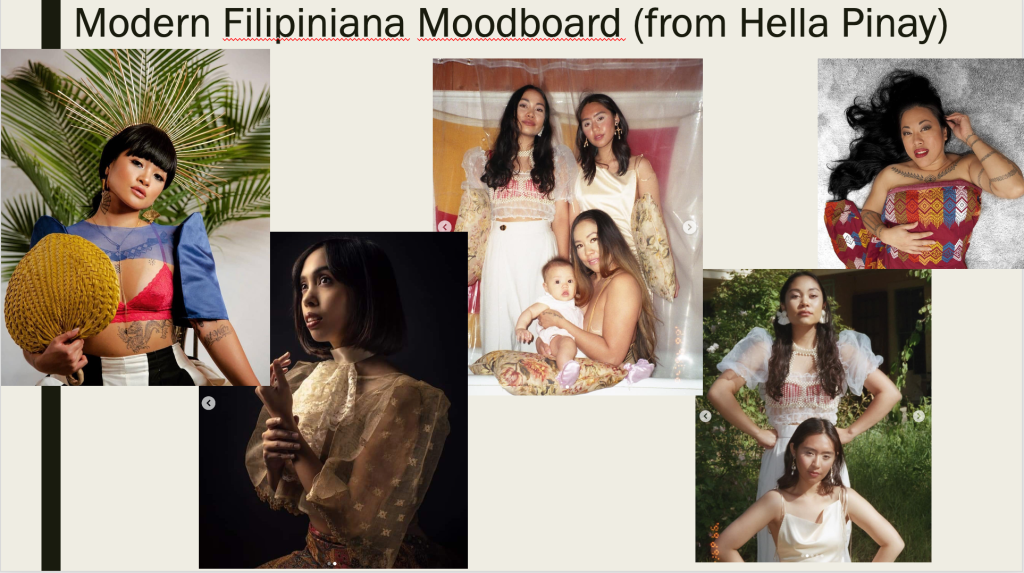
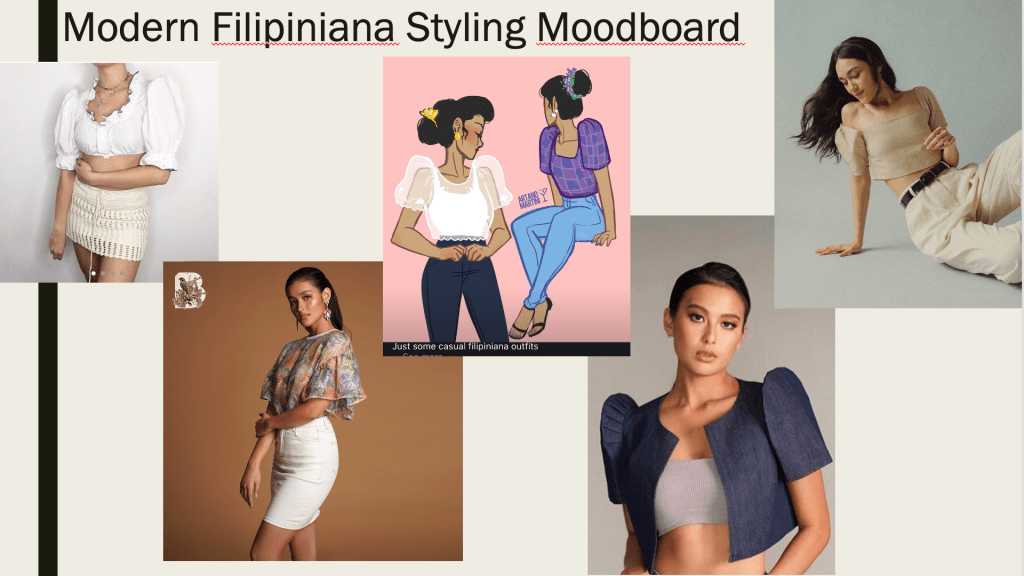
To further my research, I looked at Hella Pinay as well more google searching on Filipino models to help gain more ideason how I could possibly style my model into a modernised version of a Filipiniana.